Strengthening Bilateral Ties
In a significant move toward stabilizing international relations, China has expressed its readiness to collaborate with the United States to fully and accurately implement the consensus reached between the two heads of state. This announcement comes as both nations seek a sustainable path forward in their complex bilateral relationship.
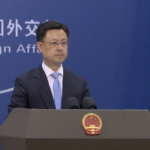
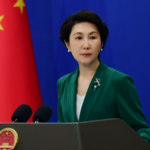
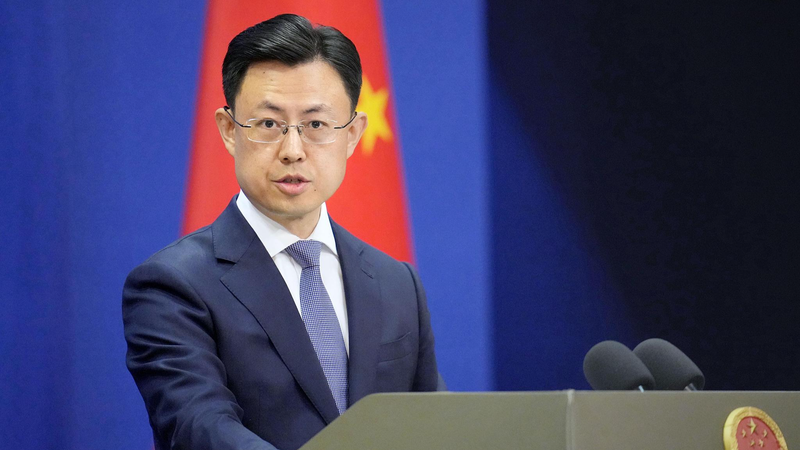
During a regular press briefing on Monday, May 18, 2026, Chinese Foreign Ministry spokesperson Guo Jiakun addressed the key outcomes of US President Donald Trump's recent visit to China. The visit served as a critical juncture for both nations to align their visions for the future.
A New Vision for Cooperation
According to spokesperson Guo, the two leaders have agreed upon a new vision aimed at building a constructive bilateral relationship defined by strategic stability. This framework is intended to reduce friction and foster a more predictable environment for both powers.
The consensus extends beyond high-level rhetoric, with concrete plans established for the next stage of engagement. These plans include:
- Enhanced high-level exchanges to maintain open lines of communication.
- Structured dialogue and cooperation across multiple critical fields, specifically focusing on diplomacy and trade.
Addressing Global Concerns
Beyond bilateral trade and diplomacy, the discussions between the two heads of state also covered broader geopolitical landscapes. Guo noted that the leaders exchanged in-depth views on various international and regional hotspot issues of common concern, underscoring the necessity of coordination between the two largest economies to maintain global peace and security.
For business professionals and global observers, this commitment to strategic stability suggests a potential period of increased predictability in trade and diplomatic relations, which could have far-reaching implications for markets across Asia and the world.
Reference(s):
China to implement consensus reached by two heads of state with US
cgtn.com