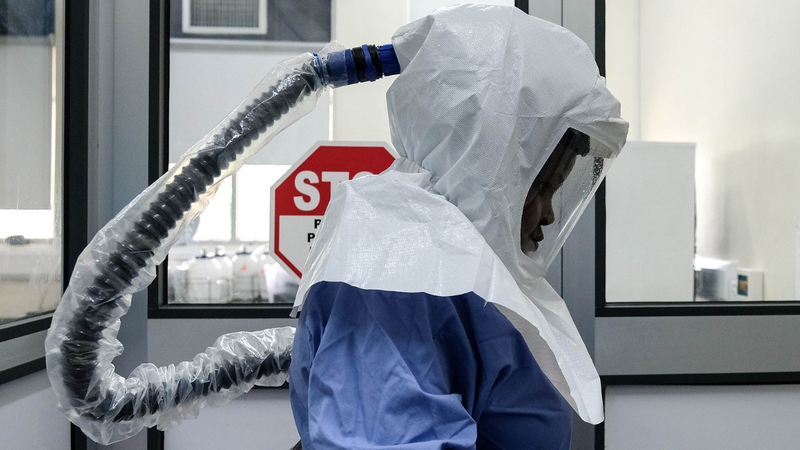
Authorities in the Democratic Republic of the Congo (DRC) are battling a rising tide of Ebola cases, with confirmed infections reaching 321 and 48 deaths recorded as of June 1, 2026. The situation remains critical as health officials work to contain the spread in the eastern regions of the country.
The current outbreak has demonstrated significant geographical reach, spreading across 22 health zones within three eastern provinces: Ituri, North Kivu, and South Kivu. In these areas, transmission remains active, posing a continuous challenge to local healthcare systems. In addition to the confirmed cases, another 116 suspected cases are currently under investigation, highlighting the urgency of the ongoing monitoring efforts.
To combat the virus, the country's health ministry has implemented a multi-pronged strategy. The focus has shifted toward early detection and the rapid isolation of cases to break the chain of transmission. Rigorous contact tracing and the implementation of safe and dignified burial practices are also central to the containment strategy, alongside strengthening infection prevention and control measures within health facilities.
While the scale of the outbreak is concerning, the World Health Organization (WHO) has pointed to signs of progress. The WHO is actively supporting the DRC by delivering essential medical supplies to deeply under-resourced health centers, ensuring that frontline workers have the tools necessary to manage the crisis.
As the international community monitors the situation, the combined efforts of the Congolese government and global health partners remain the primary defense against further escalation of the virus in the region.
Reference(s):
cgtn.com