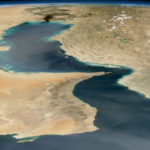
The fragile ceasefire between the United States and Iran is facing a critical test this week as tensions escalate in the Strait of Hormuz, sending ripples through global shipping lanes and Asian financial markets.
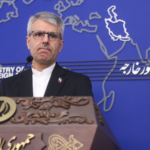
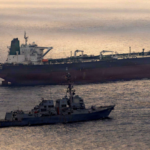
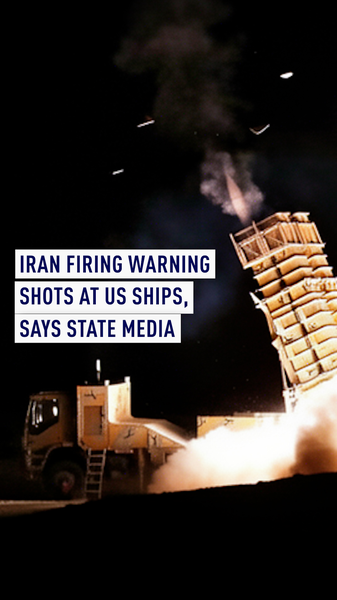
Mohammad Bagher Ghalibaf, Iran's chief negotiator, has issued a stern warning, stating that recent U.S. actions in the strategic waterway have put international shipping at significant risk. This warning comes amid conflicting reports of military engagements. A top U.S. admiral reported that American forces destroyed six Iranian boats and neutralized several missiles and drones targeting Navy and commercial vessels. However, Tehran has categorically denied that any of its boats were sunk.
Despite the volatility, U.S. Defense Secretary Pete Hegseth stated on Tuesday that the ceasefire with Iran remains in effect, though he cautioned that Tehran must exercise prudence in its actions to avoid further escalation.
The geopolitical friction has already manifested in economic instability. Stocks across several Asian exchanges sank as investors reacted to the spike in Middle East tensions. While oil prices saw gains on Monday, they dipped slightly following the latest developments, reflecting a market caught between fear of supply disruption and uncertainty over the ceasefire's longevity.
The conflict is increasingly drawing in regional and global partners. India has formally condemned a drone strike on an energy facility in the United Arab Emirates, which left three Indian nationals injured. New Delhi has urged for the continued and uninterrupted access to the Strait of Hormuz, a vital artery for global energy trade.
Meanwhile, the Republic of Korea (ROK) is reviewing its position on joining U.S.-led operations in the region. This follows a request from President Donald Trump for Seoul's participation after an apparent Iranian attack targeted an ROK vessel.
On the diplomatic front, Iran continues to seek regional stability and support. Iranian Foreign Minister Abbas Araqchi is traveling to Beijing this Tuesday for high-level talks with his Chinese counterpart to discuss bilateral ties and broader international developments. Simultaneously, Iranian state TV quoted a military official denying any pre-planned programs to attack oil facilities in the UAE, following accusations from the UAE regarding a strike in Fujairah.
Adding to the regional instability, a fire broke out on several commercial vessels docked at Iran's southern port of Dayyer on Tuesday. Local firefighters are currently working to contain the blaze, although the cause of the incident remains unknown.
Reference(s):
Truce in doubt as US & Iran fight for Strait of Hormuz control
cgtn.com