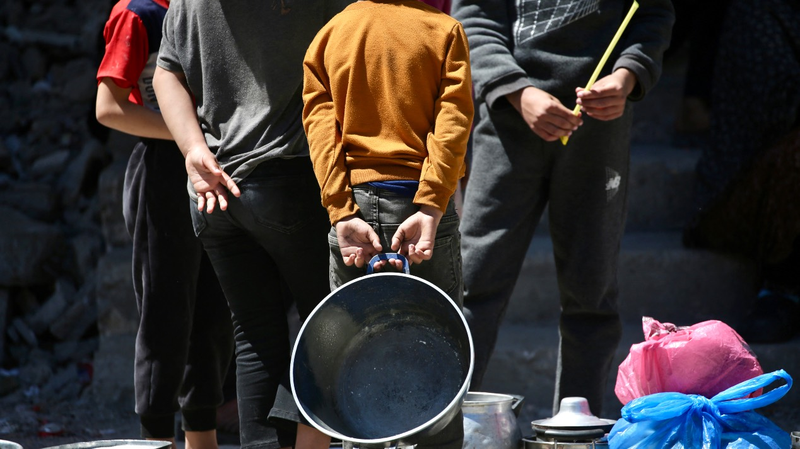
Doctors Without Borders (MSF) has issued a stark warning regarding the humanitarian situation in Gaza, accusing Israeli authorities of deliberately restricting food and essential aid. According to the medical charity, these actions have resulted in a "manufactured malnutrition crisis" that has disproportionately affected the most vulnerable populations, specifically infants, pregnant women, and breastfeeding mothers.
Devastating Health Outcomes
The report is based on a comprehensive analysis conducted between late 2024 and early 2026 across four health facilities supported by MSF in the Gaza Strip. The findings reveal a harrowing trend: significantly higher rates of prematurity and infant mortality among babies born to malnourished mothers, alongside a sharp increase in miscarriages.
Data collected between June 2025 and January 2026 from over 200 mothers and newborns in neonatal intensive care units in Gaza City and Khan Yunis underscores the severity of the crisis. MSF found that more than half of the women surveyed suffered from malnutrition at some point during their pregnancy, with a quarter remaining malnourished at the time of delivery.
Root Causes and Systemic Failures
MSF links these critical health outcomes to the blockade of essential goods and targeted attacks on civilian infrastructure, including vital medical facilities. Merce Rocaspana, MSF's medical referent for emergencies, emphasized that this crisis is not a natural occurrence. "The malnutrition crisis is entirely manufactured," Rocaspana stated, noting that prior to the start of the conflict on October 7, 2023, malnutrition in Gaza was almost non-existent.
The report also scrutinizes the role of the Gaza Humanitarian Foundation (GHF), a private organization backed by the US and Israel. Established last year, the GHF was designed to largely replace the United Nations' role in aid distribution, a shift that MSF's report examines in the context of the ongoing humanitarian struggle.
A Fragile Peace
While a ceasefire has been in place since October 2025 following two years of devastating conflict, MSF warns that the situation remains "extremely fragile." The charity is calling for the immediate and unhindered entry of medical supplies and nutritional assistance to prevent further loss of life.
For global observers and health professionals, the MSF report serves as a critical reminder of the long-term physiological impacts of conflict on maternal and neonatal health, highlighting a crisis that persists even after the cessation of active hostilities.
Reference(s):
cgtn.com