A Vision for Global Scientific Unity
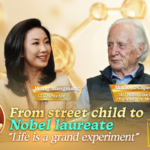
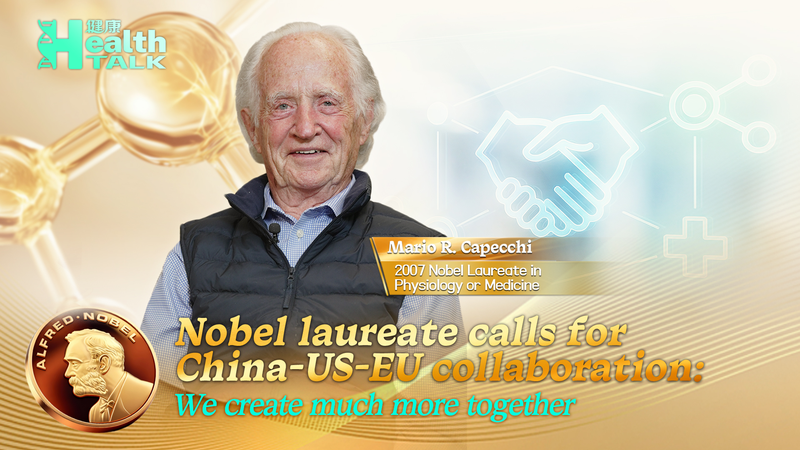
In an era often marked by geopolitical tensions, Mario Capecchi, the 2007 Nobel laureate in physiology or medicine, is advocating for a paradigm shift toward global cooperation. In a recent exclusive interview, the renowned scientist called for strengthened scientific ties between China, the United States, and Europe, arguing that collective effort far outweighs individual pursuit.
Capecchi emphasized that the potential for discovery is magnified when the world's leading scientific powers work in tandem. "If they function together, they get to create much more than if they function separately," Capecchi stated, highlighting the synergistic power of international collaboration.
Addressing the current climate of global rivalry, the Nobel laureate warned against the costs of conflict. He noted that competition between major powers can be destructive, not only for the nations involved but for the world at large. According to Capecchi, the focus should shift from fighting to problem-solving to ensure global stability.
Central to his argument is the reality of limited global resources. Capecchi stressed that the efficient sharing of these resources is a necessity for meaningful progress. He envisions a future where scientific breakthroughs are accessible to everyone, regardless of gender or race, creating a "win-win situation" for all of humanity.
As Asia continues to play an increasingly pivotal role in global innovation, Capecchi's call for unity serves as a timely reminder that the most complex challenges of the 21st century cannot be solved in isolation, but through shared knowledge and mutual respect.
Reference(s):
Nobel laureate Mario Capecchi calls for China-US-EU collaboration
cgtn.com