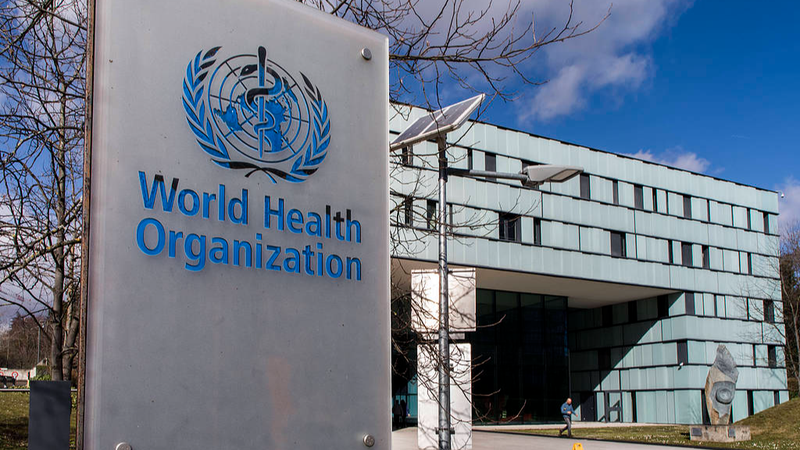
In a significant breakthrough for global health, the World Health Organization (WHO) has, for the first time, prequalified a malaria medicine specifically designed for newborns and young infants. Announced just before World Malaria Day this year, this move addresses a critical gap in care for the most vulnerable group affected by one of the world's deadliest diseases.
The newly approved infant-specific formulation of artemether–lumefantrine is designed for babies weighing as little as two kilograms and up to five kilograms. WHO prequalification signifies that the treatment meets international standards for safety, quality, and efficacy, clearing a major hurdle for its widespread procurement and use in public health systems.
"This is a long-awaited development," said a global health expert monitoring the rollout. "For years, clinicians in high-burden areas have had no choice but to treat fragile infants with medicines meant for older children, a practice fraught with risk." The precise dosing of the new formulation aims to eliminate the dangers of overdose and toxic side effects, offering a much safer alternative.
A Lifeline for Africa
The impact of this approval will be felt most acutely in Africa, where the burden of malaria is heaviest. The WHO African Region accounts for an estimated 94% of global malaria cases and 95% of malaria deaths. Children under five years old bear the brunt of this toll, representing about three-quarters of all malaria deaths in the region.
Each year, approximately 30 million babies are born in malaria-endemic parts of Africa. Until now, these infants entered a world where the tools to treat them safely were often inadequate or imprecise. The prequalification paves the way for this new therapy to be integrated into community-level health programs, potentially saving countless lives where access to advanced medical care is limited.
Advancing the Fight on Multiple Fronts
The infant treatment's approval coincides with progress on other vital tools. Recently, on April 14, 2026, WHO also prequalified three new rapid diagnostic tests (RDTs) designed to tackle a growing challenge: malaria parasite strains that evade detection by older tests.
Some prevalent tests rely on detecting a specific parasite protein called HRP2. However, in regions like the Horn of Africa, parasite strains with genetic deletions affecting HRP2 have emerged, causing up to 80% of cases to be missed. The newly approved tests target a different protein (pf-LDH), offering a reliable diagnostic alternative and ensuring more patients receive timely, life-saving treatment.
Together, these developments mark a shift towards more targeted, next-generation interventions in the malaria fight. They join other advancements, such as the ongoing rollout of malaria vaccines in 25 countries and the distribution of more effective mosquito nets.
The Road Ahead: Sustaining Momentum
Despite these encouraging steps, challenges remain formidable. Drug resistance is spreading, mosquitoes are adapting to insecticides, and global funding for malaria control falls significantly short of targets. The 2025 World Malaria Report noted that investments in 2024 reached only $3.9 billion, less than half the $9.3 billion needed.
In this context, the new infant treatment is both a milestone and a stark reminder. It demonstrates that scientific innovation can deliver powerful new tools, but its real-world impact hinges on sustained political commitment, robust financing, and strong health systems—particularly in Africa.
The science, as evidenced by this recent approval, is advancing. The pressing question for the global community is whether the necessary support and resources will keep pace to turn these breakthroughs into widespread health gains.
Reference(s):
cgtn.com