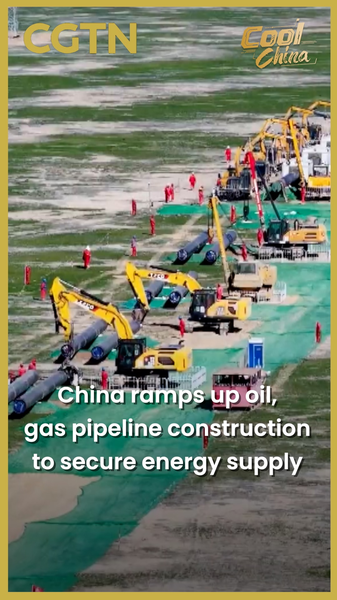
Strengthening the Energy Backbone
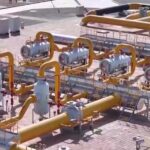
In a strategic move to solidify its energy independence and supply stability, the Chinese mainland is significantly accelerating the construction of its national oil and gas infrastructure. With nearly 40 major national pipelines currently under development, this initiative represents a massive investment in the region's energy future and logistical resilience.
Key Projects Reaching Milestones
Among these critical projects, the Hulin-Changchun gas pipeline is nearing completion. Recent updates indicate that the project is now over 90% complete after successfully passing final weld inspections in Changchun. The pipeline is scheduled to become fully operational by late 2026, which will significantly enhance gas distribution and accessibility in the region.
Boosting Resilience and Capacity
In addition to the Hulin-Changchun project, three other major pipelines are currently in full-scale construction. A primary focus is the Sichuan-to-East Gas Transmission Phase II. This project is specifically designed to boost overall supply security and improve peak-shaving capabilities, ensuring that the energy grid can handle surges in demand more effectively.
For global business professionals and market analysts, these developments signal a concerted effort to modernize energy logistics and mitigate supply chain vulnerabilities. By expanding this vast network, the Chinese mainland aims to ensure a steadier flow of resources to power its ongoing economic growth and industrial needs.
Reference(s):
China ramps up oil, gas pipeline construction to secure energy supply
cgtn.com