Regional tensions reached a new peak this week as U.S. President Donald Trump signaled his rejection of a comprehensive 14-point peace proposal submitted by Tehran. The proposal, which Iran hopes will end ongoing hostilities across the Middle East, has been deemed "unacceptable" by the U.S. administration, leaving the region in a state of diplomatic uncertainty.
The diplomatic effort, submitted via Pakistan, was detailed by Iranian Foreign Ministry spokesman Esmaeil Baghaei. Speaking with state-run IRIB TV, Baghaei noted that the proposal focuses primarily on ending hostilities, including the conflict in Lebanon, rather than immediate nuclear negotiations. "At present, we are focused on the parameters related to ending the war in the region," Baghaei stated.
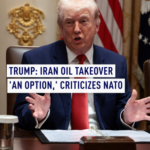
Despite the diplomatic overture, President Trump expressed strong dissatisfaction. In a phone interview with Kan News, Trump stated, "It's not acceptable to me. I've studied it, I've studied everything." While acknowledging that the Iranians wish to make a deal, he emphasized that there are terms within the offer that he simply cannot agree to.
The Three Phases of the Proposal
The Iranian plan is structured into three distinct phases aimed at a gradual transition from conflict to strategic stability:
- Phase One: Focuses on immediate de-escalation within 30 days, including a full cessation of hostilities, a region-wide ceasefire involving Iran's allies and Israel, and the gradual reopening of the Strait of Hormuz. It also calls for the withdrawal of U.S. military forces from surrounding waters.
- Phase Two: Addresses nuclear concerns, suggesting a halt to uranium enrichment for up to 15 years under a "zero inventory" framework, accompanied by phased sanctions relief.
- Phase Three: Proposes a strategic dialogue between Iran and regional neighbors to build a comprehensive security framework.
Naval Standoff and "Project Freedom"
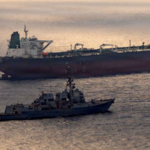
The diplomatic friction coincides with a precarious security situation in the Strait of Hormuz. Following joint U.S.-Israeli strikes on Tehran on February 28, Iran has restricted vessel passage linked to the U.S. and Israel, while Washington has maintained a naval blockade on Iranian ports.
In response, President Trump announced a new initiative called "Project Freedom." The operation, scheduled to begin on Monday, May 5, 2026, aims to guide stranded ships safely out of restricted waterways. Trump warned via social media that any interference with this operation would be "dealt with forcefully."
Global Energy Impact
The volatility in the region has sent ripples through global energy markets. To counter mounting pressure on supply, OPEC and its allies announced a production increase on Sunday. Seven major producers, including Saudi Arabia, Russia, and Iraq, agreed to raise output by 188,000 barrels per day in June. This move follows the formal exit of the United Arab Emirates from the group, highlighting the cautious balancing act required to maintain global market stability amid geopolitical strife.
Reference(s):
Trump calls Tehran's 14-point peace plan 'unacceptable': Israeli media
cgtn.com