Diplomatic Push Amid Escalating Stalemate
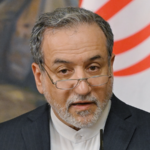
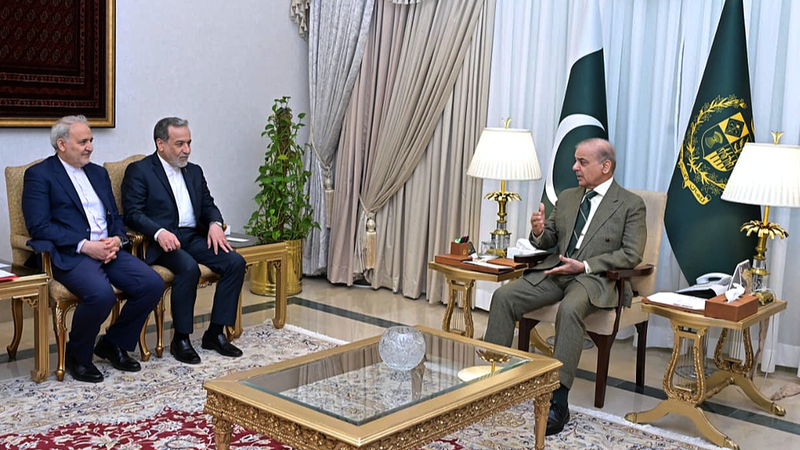
In a significant diplomatic maneuver aimed at de-escalating regional hostilities, Iranian Foreign Minister Seyed Abbas Araghchi has conveyed Tehran's conditions for ending the ongoing conflict to the United States through intermediaries in Pakistan. The move comes as tensions around the strategically vital Strait of Hormuz continue to mount, raising global economic concerns.
The Three-Stage Roadmap
According to Iranian sources, the proposal outlines a clear, phased approach. The first phase demands a complete cessation of hostilities and binding international guarantees to prevent future attacks on Iran and Lebanon. Only upon securing these commitments would talks proceed to the second phase, which would focus on the security and management of the Strait of Hormuz—a critical global oil transit chokepoint. The final phase would then address Iran's nuclear program, with Tehran insisting it will not discuss nuclear issues until tangible progress is made in the preceding stages.
Iran's semi-official Fars News Agency reported that Araghchi also delivered written messages to Washington detailing Tehran's "red lines," particularly regarding its nuclear ambitions and the strategic importance of the Strait of Hormuz. The messages were described as a clarification of position rather than a formal negotiation platform.
Regional Shuttle Diplomacy Meets US Skepticism
Minister Araghchi's trip to Islamabad this week, following a stop in Oman, marks his second visit to the Pakistani capital in recent days as part of a broader regional diplomatic tour, which is expected to conclude in Russia.
Despite these efforts, a significant gap remains between the two sides. US President Donald Trump, in comments to Fox News, expressed skepticism, stating he had canceled a planned US delegation's visit to Pakistan and calling further engagement "a waste of time." He reiterated a firm condition: "Iran must not develop nuclear weapons. Otherwise, there's no reason to meet."
Iranian President Masoud Pezeshkian criticized the US approach, arguing that continued pressure and hostile actions are eroding trust and making renewed dialogue increasingly difficult.
Strait of Hormuz: A Flashpoint with Global Repercussions
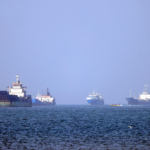
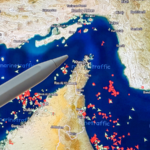
The diplomatic maneuvering unfolds against a backdrop of intensifying tensions around the Strait of Hormuz. The disruption has led to a sharp decline in shipping traffic, a spike in global oil prices, and added strain to the world economy. In a recent call, President Trump and British Prime Minister Keir Starmer emphasized the "urgent need" to restore maritime traffic through the vital route. Starmer warned of "serious consequences" for the global economy and rising living costs if the blockage persists.
Iran, however, appears to be hardening its stance on the waterway. Ebrahim Azizi, head of the Iranian parliament's National Security and Foreign Policy Committee, stated that vessels transiting the strait would be required to pay fees, framing the corridor as a key element of Iran's strategic leverage.
Recent Escalation and Stalled Talks
The current crisis stems from a major escalation earlier this year. Following joint US-Israeli strikes on Iranian cities in late February, which resulted in significant casualties, Iran responded with missile and drone attacks across the Middle East and tightened its control over the Strait of Hormuz. A ceasefire declared in early April led to Iran-US talks in Islamabad in mid-April, but those negotiations ultimately collapsed, prompting the US to impose a blockade affecting transit to and from Iranian ports.
As of late April 2026, the region remains at a precarious crossroads, with Iran's phased diplomatic plan on the table but major obstacles to peace firmly in place.
Reference(s):
Iran outlines phased plan to end war as Hormuz tensions mount
cgtn.com