
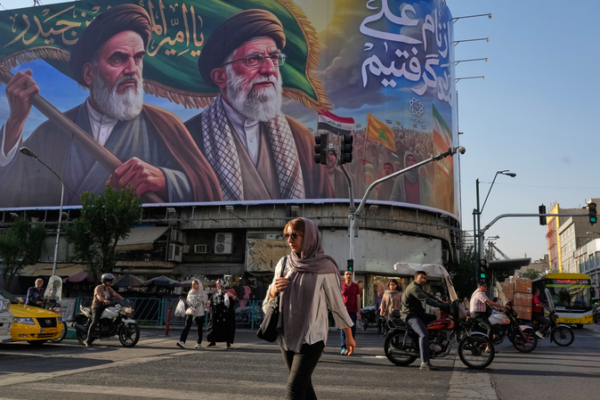
US Considers Iranian Asset Seizure as Gulf Ceasefire Faces New Tests
US and Iran exchange strikes in the Gulf, testing a fragile ceasefire while the US weighs using frozen Iranian assets for ally reconstruction.
News & Insights Across Asia
US and Iran exchange strikes in the Gulf, testing a fragile ceasefire while the US weighs using frozen Iranian assets for ally reconstruction.
The OECD projects global economic growth will slow to 2.8% in 2026, driven by Middle East conflicts and energy market volatility, with recovery expected by 2027.
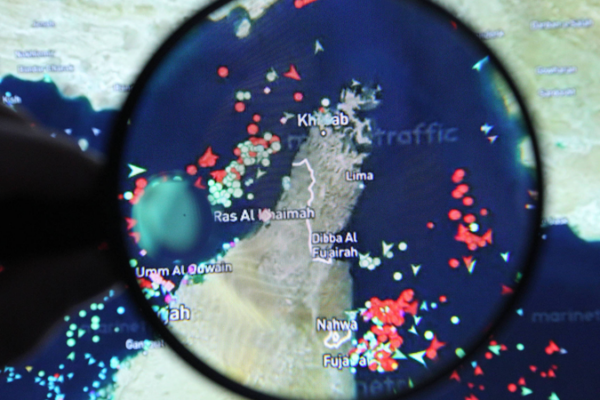
Discover the strategic importance of real-time ship tracking in the Strait of Hormuz and its impact on global energy and economic stability in 2026.

US Treasury Secretary Scott Bessent announces a 30-day license for stranded Russian oil to stabilize markets amid surging energy prices linked to the Iran war.
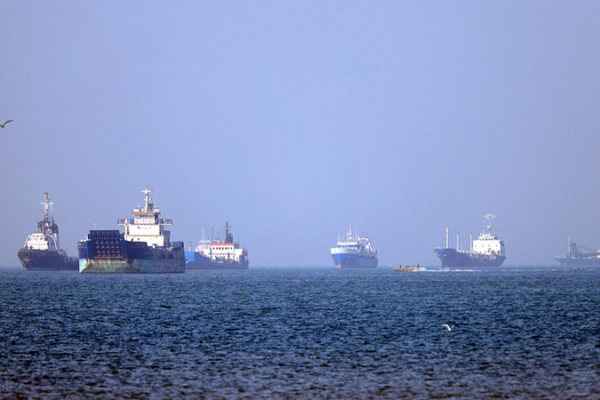
US Secretary of State Marco Rubio announces the end of the joint military campaign against Iran while maintaining a firm stance on the Strait of Hormuz.
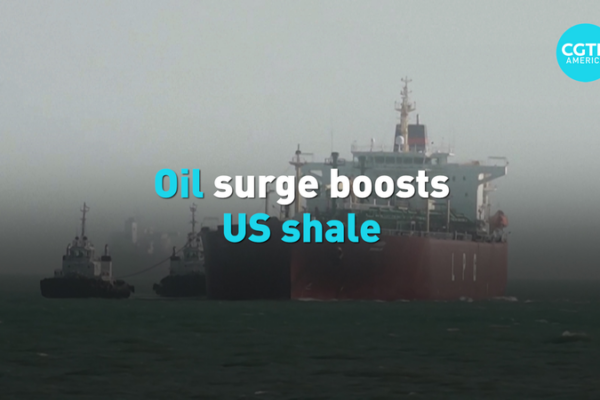
Rising oil prices, spurred by Middle East tensions, are giving a boost to the US shale sector, with industry leaders eyeing increased investment.
Iran is reviewing the US response to its 14-point peace proposal aimed at ending hostilities, while global energy markets remain volatile.
Iran is reviewing the US response to a 14-point peace plan intended to end ongoing hostilities, as regional tensions continue to affect global energy markets.
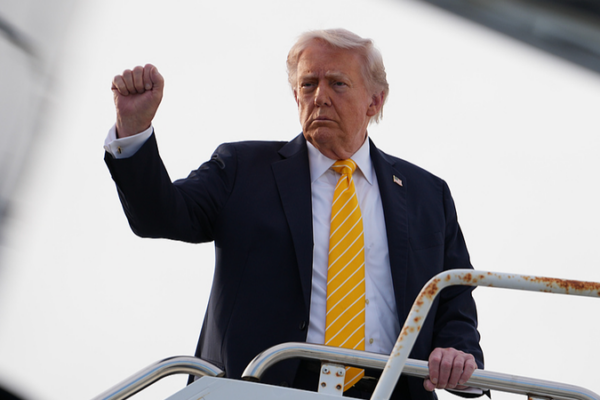
President Trump rejects Iran’s 14-point peace plan as ‘unacceptable,’ while announcing ‘Project Freedom’ to clear restricted waterways amid rising global energy concerns.

Seven OPEC+ nations, including Saudi Arabia and Russia, will increase oil production by 188,000 barrels per day starting June 2026, signaling a cautious adjustment to global market conditions.
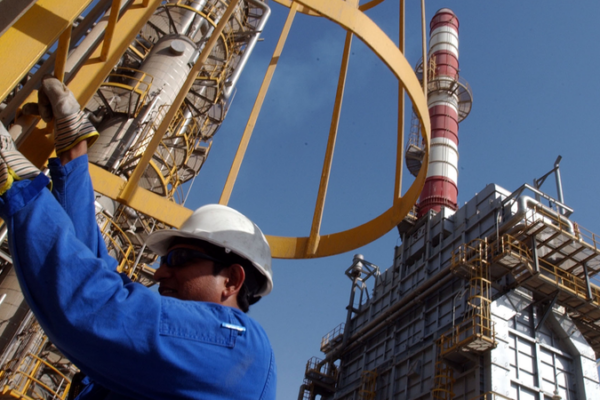
The UAE’s withdrawal from the OPEC+ oil alliance on May 1, 2026, marks a pivotal moment for global energy markets, testing the group’s influence on prices and regional cooperation.
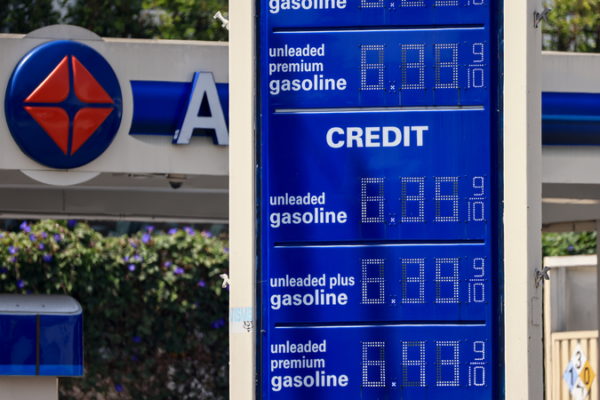
US gasoline prices hit a four-year high above $4.30/gal, with California surpassing $6. The surge, tied to oil prices over $100/barrel and Strait of Hormuz tensions, has significant implications for Asian economies.

Crude oil prices surged more than 5% as tensions over a potential extended blockade of Iran’s ports reignited fears of supply disruption through the vital Strait of Hormuz.
The UAE has announced its withdrawal from OPEC and the OPEC+ alliance, effective May 1, 2026, citing a need for greater flexibility to meet global energy demand.
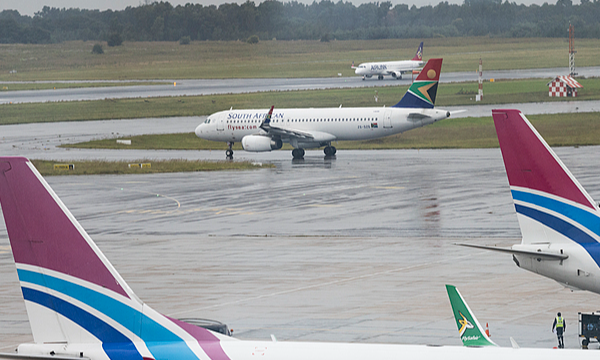
A major airline association warns of jet fuel shortages in Southern Africa beyond next month, driven by global market turmoil and soaring prices impacting fares.
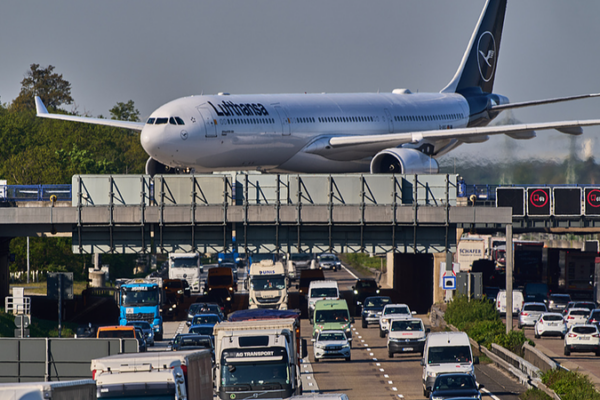
Escalating Middle East tensions disrupt aviation and energy markets, raising inflation and economic slowdown fears in 2026.

Geopolitical tensions and record fuel prices drive unprecedented US demand for Asian-made electric vehicles in 2026, reshaping global energy and trade dynamics.
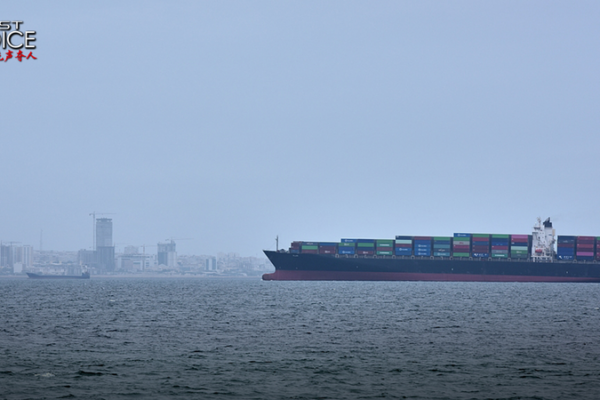
Ongoing closures of the Strait of Hormuz disrupt global energy flows, with Asian economies bearing the brunt of rising oil prices and supply chain pressures in 2026.
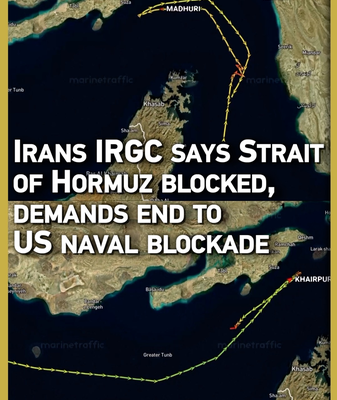
Iran’s IRGC closes Strait of Hormuz, demanding US lift naval blockade. Move follows collapsed ceasefire, risks global energy market stability as tensions escalate.

The Middle East military conflict triggers unprecedented global energy supply disruptions, with oil prices soaring and demand projected to decline in 2026, per IEA’s latest report.