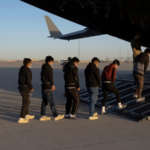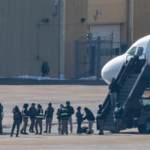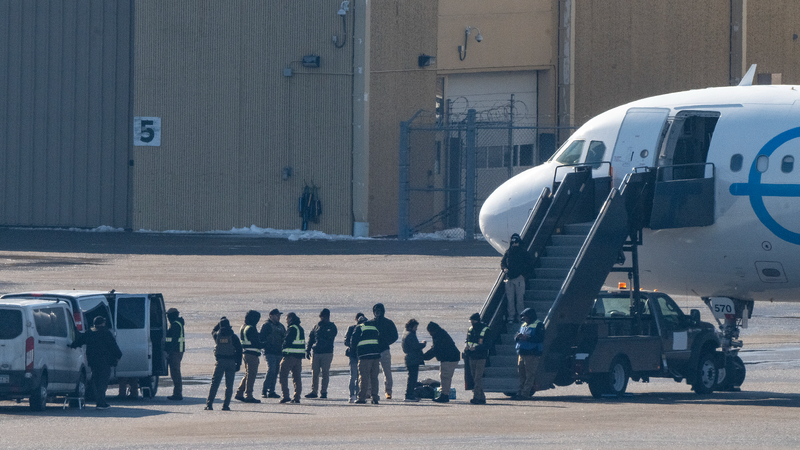
The Democratic Republic of Congo (DRC) is preparing to receive its first group of deportees from the United States this week, marking a significant step in Washington’s efforts to expedite migrant removals through partnerships with African nations. Between 37 and 45 individuals, none of whom are Congolese nationals, are expected to arrive in Kinshasa by April 17, 2026, according to court documents and officials familiar with the arrangement.
This follows an agreement finalized earlier this month between the DRC and the Trump administration, enabling the Central African nation to accept third-country deportees. The deal represents a new phase in U.S. engagement with the region, which has recently included peace-brokering efforts between the DRC and Rwanda over violence involving M23 rebels in eastern Congo. A parallel strategic agreement granting the U.S. preferential access to Congo’s critical minerals further underscores Washington’s growing interest in the region.
Deportees, reportedly from Central and South America, will initially stay at a hotel near Kinshasa’s main airport. Their long-term status remains uncertain, with the International Organization for Migration (IOM) confirming post-arrival humanitarian support but emphasizing it plays no role in deportation processes. The Congolese government has not yet commented publicly but previously stated it would not assume financial responsibility for hosting deportees under such agreements.
Critics highlight concerns over due process, citing past U.S. deportation transfers to Ghana, Cameroon, and Eswatini, where some individuals were later returned to their countries of origin despite legal protections in the U.S. Analysts suggest this development reflects broader geopolitical priorities, balancing migration management with resource security and regional stability.
Reference(s):
cgtn.com