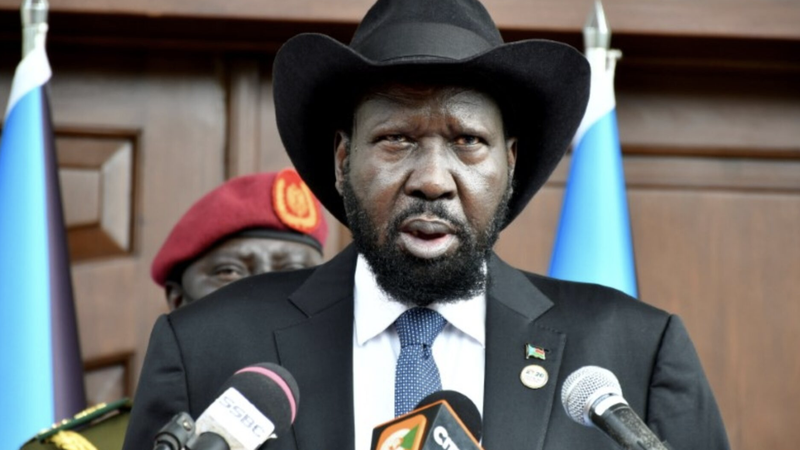
South Sudan is preparing for a potential watershed moment this December, with plans to hold its first general elections since gaining independence in 2011. After years of delays fueled by conflict and political instability, the government has set a date for the long-awaited polls.
However, with just months to go, significant hurdles threaten to overshadow this historic step. The 2018 peace agreement, a cornerstone for stability following a brutal civil war, remains fragile. Recent amendments to the deal, pushed through without opposition backing, have drawn criticism from rival political groups and international observers, casting a shadow over the electoral process's credibility.
Political tensions have been further inflamed by the house arrest and treason charges faced by Vice President Riek Machar, a key figure in the unity government, straining the country's delicate political balance.
Despite these challenges, authorities insist they are committed to holding the elections as scheduled. "The country's readiness for elections is behind schedule, particularly due to a lack of funding for the National Election Commission to carry out its duties and create an enabling environment," said political analyst Edmund Yakani, highlighting critical logistical and financial gaps.
Government officials maintain that financing will not be an obstacle, but this confidence is at odds with the stark economic reality. Civil servants and security forces have gone without pay for over a year, and inflation continues to surge within a fragmented fiscal system.
Abraham Maliet, an advisor to the government's economic cluster, acknowledged the crisis, stating that authorities are now prioritizing the payment of long-overdue salary arrears.
Beyond the financial constraints, other structural challenges persist. Voter registration is incomplete, internal boundaries remain disputed, and key provisions of the peace agreement are yet to be fully implemented. These unresolved issues have sparked fears that the elections, intended to solidify a democratic future, could instead become a catalyst for renewed violence.
For the people of South Sudan, however, the prospect of casting their vote represents a beacon of hope and a long-delayed opportunity to shape their nation's path forward.
Reference(s):
cgtn.com