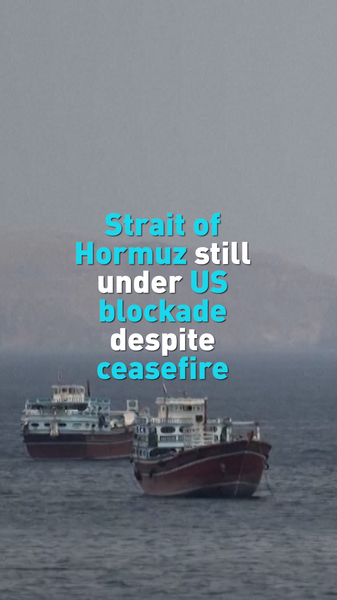
The strategic Strait of Hormuz, a critical artery for global oil shipments, remains under a U.S. naval blockade despite a recent diplomatic breakthrough. This development has thrown a new complication into the fragile relationship between Washington and Tehran.
Earlier this week, on April 21, the U.S. President announced an indefinite extension of a ceasefire agreement with Iran. The move was initially welcomed as a step toward de-escalation in a region long fraught with tension. However, hopes for a broader thaw have been quickly dampened.
In a firm response, Iranian authorities have declared that all further negotiations with the United States are suspended. Their condition for reopening talks is clear and singular: the immediate lifting of the American blockade on the Strait of Hormuz. This vital waterway sees the passage of roughly one-fifth of the world's seaborne oil, much of it destined for energy-hungry economies across Asia.
For business professionals and market analysts watching Asian economies, the stalemate introduces a fresh layer of uncertainty. Prolonged disruption or even the threat of instability in the Strait can directly impact energy prices and supply chains, affecting industries from manufacturing to transportation. The blockade, while a tool of geopolitical pressure, carries significant economic ramifications far beyond the Persian Gulf.
The situation presents a complex diplomatic puzzle. While the ceasefire prevents an immediate return to overt hostilities, the unresolved blockade issue acts as a major obstacle to any substantive progress. Observers note that the impasse reflects the deep-seated mistrust characterizing U.S.-Iran relations. For now, the world watches as a tactical pause in conflict coexists with a strategic deadlock over one of the globe's most important maritime chokepoints.
Reference(s):
cgtn.com