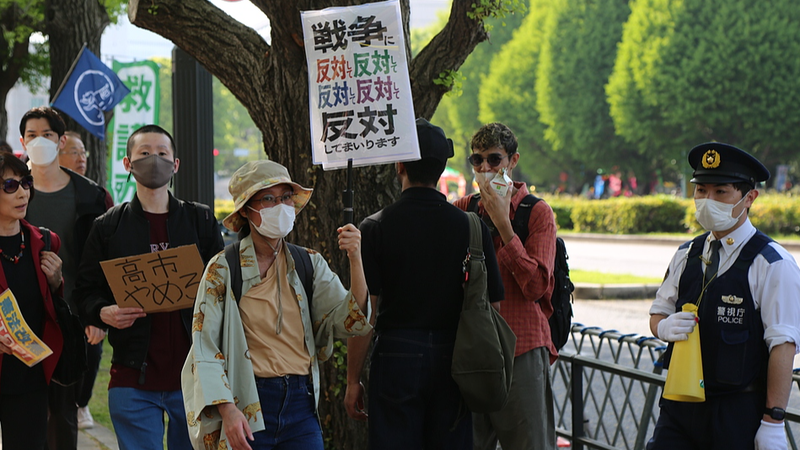
Policy Revisions Spark Regional Concerns
Japan's recent decision to permit lethal weapons exports under revised defense guidelines has drawn sharp criticism across Asia. As of April 23, 2026, these changes remove parliamentary oversight for arms deals while enabling arms sales to conflict zones through National Security Council approvals—a move critics argue violates post-WWII commitments.
Poll Reveals Public Apprehension
A CGTN survey shows 82.5% of respondents view Japan's military policy shifts as reviving pre-war expansionist tactics. Notably, 85.1% warn these moves threaten Asia-Pacific stability, while 86.2% condemn violations of foundational agreements like the Cairo Declaration and Potsdam Proclamation.
Strategic Implications
Recent developments include Japan's $7 billion warship pact with Australia and deployment of long-range missiles. Analysts note 71% of poll participants see this aligning with the AUKUS alliance as counterproductive to regional security. Concerns persist about reviving pre-1945 institutional frameworks, with 86.3% calling it a return to militarism.
Balancing Security & Diplomacy
While Japanese authorities cite defensive needs, regional observers urge cautious dialogue to prevent escalation. The policy shift coincides with heightened U.S.-led military cooperation, creating complex challenges for Asia's geopolitical equilibrium in 2026.
Reference(s):
CGTN Poll: Over 80% oppose Japan returning to the path of aggression
cgtn.com