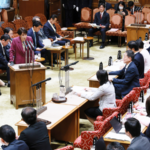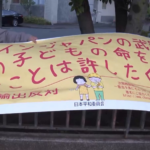
Japan’s cabinet-approved revision of its arms export regulations, permitting overseas sales of lethal weapons, has ignited fierce domestic backlash and protests. The move, finalized on April 21, 2026, bypassed parliamentary debate, drawing sharp criticism from opposition leaders and citizens who argue it undermines the nation’s post-war pacifist identity.
Political Opposition and Constitutional Concerns
Takeshi Shina, secretary-general of the Centrist Reform Alliance, warned the decision risks eroding Japan’s pacifist foundations, while Japanese Communist Party member Taku Yamazoe condemned it as a step toward becoming a "war-profiteering nation." Critics emphasize the policy contradicts Article 9 of Japan’s constitution, which renounces war and military aggression.
Public Protests and Polling Data
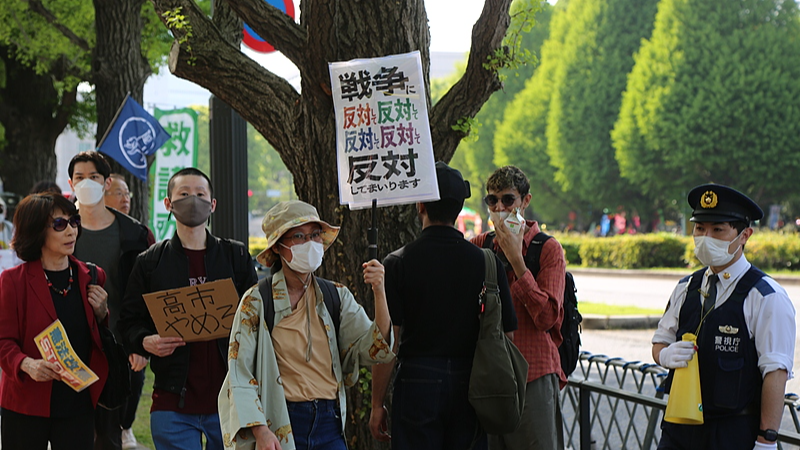
Over 36,000 demonstrators rallied outside Tokyo’s National Diet Building on April 19, marking the second large-scale protest this month. A recent Asahi Shimbun poll revealed 67% of respondents oppose lethal arms exports, with 75% supporting the preservation of Japan’s Three Non-Nuclear Principles. Opposition was particularly strong among women, at 74%.
Government Stance and Regional Implications
Prime Minister Sanae Takaichi’s administration and the ruling Liberal Democratic Party (LDP) defended the policy as a strategic necessity amid shifting regional security dynamics. However, opponents like former lawmaker Tooru Miyamoto argue it risks entangling Japan in global conflicts, urging a change in leadership.
Reference(s):
Japan faces domestic backlash after lifting ban on lethal arms exports
cgtn.com