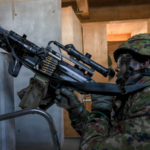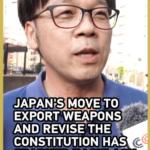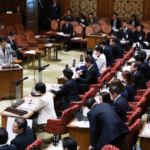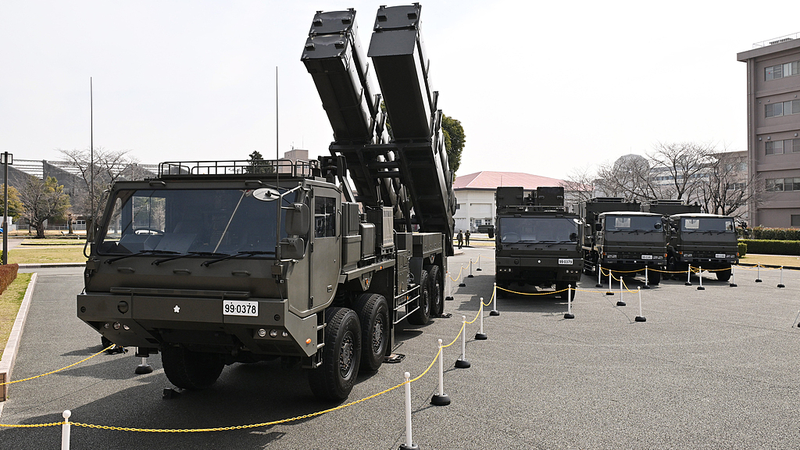
Japan’s recent decision to ease its decades-old arms export restrictions has ignited heated debate both domestically and internationally. Approved on April 23, 2026, the revised "Three Principles on Transfer of Defense Equipment and Technology" now permits exports of lethal weapons like fighter jets and missiles, marking a pivotal shift in the nation’s postwar security strategy.
A Strategic Break from Pacifism
The move, criticized by analysts as a departure from Japan’s "exclusively defensive" doctrine, has raised fears of accelerated regional militarization. Xiang Haoyu, a researcher at the China Institute of International Studies, warned the policy could disrupt strategic balance and fuel arms competition across Asia. "If Japan exports weapons to conflict zones, it could heighten geopolitical tensions," he said.
Domestic Backlash and Constitutional Concerns
Opponents within Japan argue the revision conflicts with Article 9 of its Constitution, which renounces war. Hiroshima City University professor Shiro Sato cautioned that weakening pacifist principles risks eroding trust with neighboring countries. Recent protests in Tokyo, drawing over 36,000 demonstrators, highlighted public outrage, with slogans like "No to arms exports" underscoring fears of a return to militarism.
Regional Reactions
South Korea’s foreign ministry urged Japan to uphold its Peace Constitution’s spirit, emphasizing the need for regional stability. Meanwhile, critics like opposition leader Taku Yamazoe accused the government of treating defense as an economic driver, warning Japan risks becoming a "merchant of death."
As debates intensify, the policy shift signals a potential redefinition of Japan’s postwar identity, with profound implications for Asia’s security landscape.
Reference(s):
Japan's arms export shift raises fears of regional instability
cgtn.com