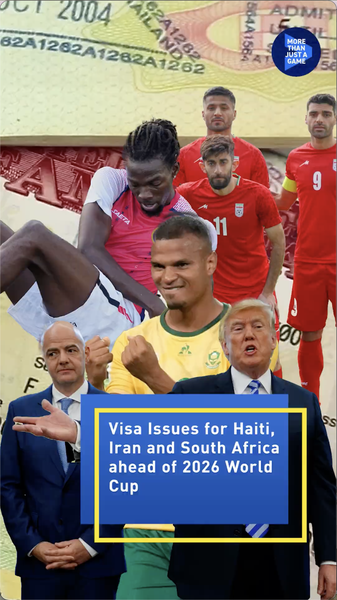
As the global community prepares for the kickoff of the 2026 FIFA World Cup, the excitement surrounding the beautiful game is being tempered by complex bureaucratic challenges. In a tournament intended to unite the world, visa complications for teams from Haiti, Iran, and South Africa have brought geopolitical tensions to the forefront, turning the event political before the first whistle has even blown.
The intersection of sports and diplomacy often creates friction, but the current situation highlights a recurring struggle for athletes from certain nations to secure necessary travel documentation. According to analysis by Ahmed Ghoneim in the series More than Just a Game, these visa issues are not merely administrative errors but reflections of deeper political landscapes that impact the accessibility of global sporting stages.
For the teams from Haiti, Iran, and South Africa, the struggle to obtain visas introduces an added layer of stress and uncertainty. These hurdles can affect everything from training schedules and preparation camps to the ability of full support staffs to accompany the players. When athletes are forced to navigate stringent immigration policies, the spirit of fair play and inclusivity—central tenets of the FIFA World Cup—is put to the test.
For business professionals and investors tracking global trends, these developments underscore the continuing influence of national security policies on international events. Similarly, for researchers and academics, this serves as a case study in how state-level diplomacy can manifest in the realm of professional sports.
As the tournament unfolds this June, the international community will be watching not only the skill on the pitch but also how these political obstacles are resolved. The ability of the hosting nations to facilitate the arrival of all qualified teams remains a critical measure of the tournament's success in fostering global unity.
Reference(s):
Visa issues for Haiti, Iran, South Africa ahead of 2026 FIFA World Cup
cgtn.com