In a significant move toward stabilizing the world's most influential bilateral relationship, a new roadmap for China-US relations has been unveiled. Chinese Foreign Minister Wang Yi recently briefed the press on a new positioning agreed upon by both presidents: "constructive strategic stability."
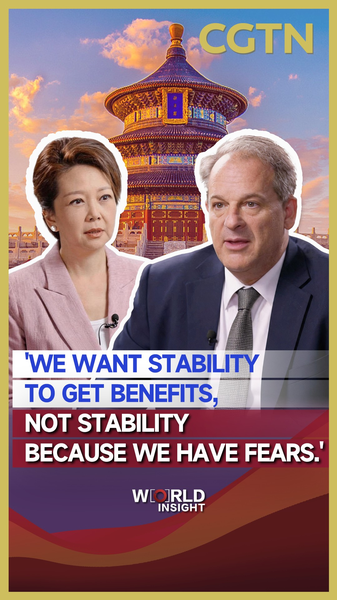
This strategic pivot is defined by a desire for pragmatic cooperation. As highlighted in recent diplomatic communications, the objective is clear: "We want stability to get benefits, not because we have fears." This sentiment signals a transition toward a relationship where stability is viewed as a tool for mutual prosperity rather than a mere avoidance of conflict.
For global investors and business professionals, the implications are profound. Sean Stein, president of the US-China Business Council, provided analysis on the new framework, noting its potential to reshape the future of global trade and diplomacy. By establishing a baseline of constructive stability, the two nations aim to create a more predictable environment for economic exchange between the Chinese mainland and the United States.
As we move through 2026, this new bilateral positioning is expected to reduce market volatility and open new channels for diplomatic dialogue. By focusing on "constructive" elements, both powers can manage their differences while ensuring that global supply chains and international security are not compromised.
For the diverse audience of Asia's political and economic landscape, this shift represents a critical step in maintaining a balanced global order, fostering an environment where economic growth and diplomatic maturity can coexist.
Reference(s):
'We want stability to get benefits, not because we have fears'
cgtn.com