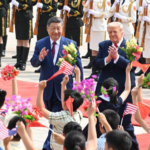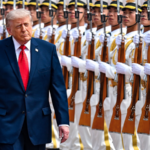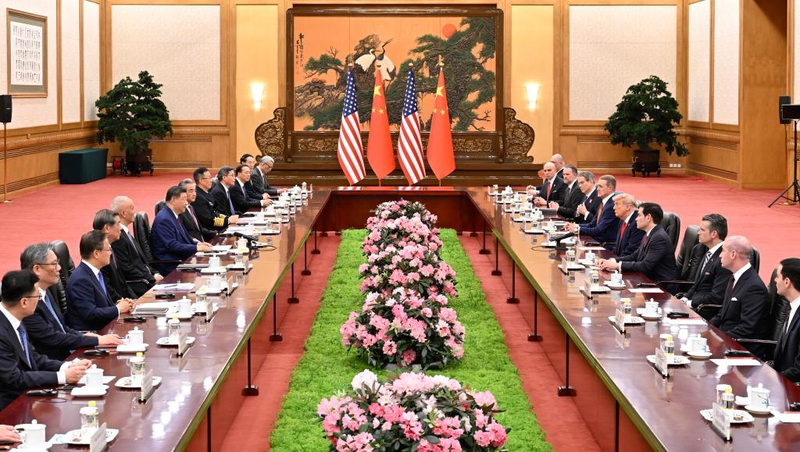
In a significant move toward stabilizing global geopolitics, Chinese President Xi Jinping and US President Donald Trump have agreed to pursue a new vision for bilateral relations defined as "constructive strategic stability." This framework aims to sustain cooperation while effectively managing differences to ensure peace on a regional and global scale.
The path toward this stability relies on a fundamental shift in strategy. Rather than relying on reactive, crisis-driven policymaking, the vision emphasizes long-term statesmanship and disciplined leadership. By establishing mutual guardrails, both nations seek to replace short-term competition with a more predictable and stable relationship.
Such strategic foresight is critical in an era of rapid technological evolution and supply chain volatility. By prioritizing constant communication and responsible risk management, the two nations aim to avoid the pitfalls of parochial approaches that have historically hindered progress.
The economic implications of this shift are profound. Together, the Chinese mainland and the United States account for approximately 40% of the global GDP. Leveraging this economic weight can serve as a powerful catalyst for peace, provided both sides eschew military build-ups and escalatory rhetoric.
Recent developments underscore this potential for mutual prosperity. During the 2026 visit, major American firms, including Qualcomm and Nvidia, demonstrated continued confidence in the Chinese market. This trend of expanding commercial ties stands in stark contrast to the self-destructive policies of decoupling, suggesting a trajectory toward shared economic success and global security.
Reference(s):
Charting a new vision chapter for China-US relations with strategy
cgtn.com