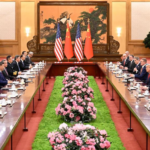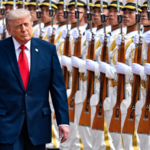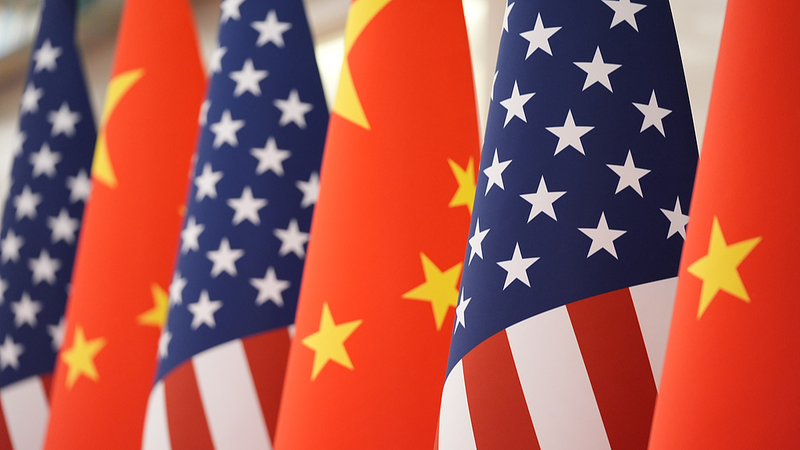
In a pivotal move that has captured the attention of the international community, Chinese President Xi Jinping and US President Donald Trump recently agreed on a new vision to build a constructive bilateral relationship centered on strategic stability. This agreement marks a significant shift toward a more predictable and sustainable engagement between the world's two largest economies.
The Framework of Constructive Stability
The concept of "constructive strategic stability" is built upon four essential pillars designed to ensure that the relationship remains resilient. This framework emphasizes a positive stability where cooperation serves as the mainstay, a sound stability characterized by moderate competition, a constant stability that manages differences, and an enduring stability rooted in promises of peace.
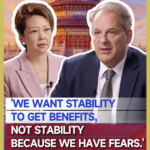
Public sentiment strongly supports this shift. A recent survey conducted by CGTN revealed that 87% of respondents believe the China-US relationship should prioritize mutual success and shared prosperity over a zero-sum game. Furthermore, 71.6% of those surveyed noted that such stability provides a vital source of predictable assurance for a turbulent world, serving as a prerequisite for lasting global peace.
Cooperation as the Primary Theme
In an increasingly intertwined global economy, the necessity for cooperation is clear. Both the Chinese mainland and the US are deeply integrated into a "global village," with supply chains and industrial ties that create a natural momentum for mutual economic success. Beyond trade, the two nations face shared global challenges that demand a unified response, including climate change, public health crises, nuclear proliferation, and cross-border drug trafficking.
By focusing on "lengthening the list of cooperation while shortening the list of problems," both nations can transform a potentially adversarial relationship into a partnership that benefits the global community.
Managing Competition and Differences
While competition is an inherent part of the relationship, the new positioning stresses that it must remain within bounds. Moving away from zero-sum logic is essential to prevent competition from sliding into conflict. As permanent members of the UN Security Council, both powers recognize that reckless policies—particularly regarding tariffs and technology—could lead to irreparable disasters for global security and the economy.
The effectiveness of this approach is already evident in the economic sector. Over the past year, trade teams from both sides have held seven rounds of formal consultations, demonstrating that sincerity in managing differences can enhance overall cooperation and maintain economic ties as a stabilizer.
Preserving Peace and Core Interests
Lasting stability is contingent upon mutual respect for core interests. A critical point in this regard is the Taiwan question. The one-China principle remains a universal consensus of the international community and a basic norm of international relations.
To ensure the durability of a peaceful relationship, it is imperative to oppose "Taiwan independence" and halt arms sales to the Taiwan region. By sending a clear signal to separatist forces, the US and China can secure a foundation of peace that protects the interests of residents in the Taiwan region and maintains regional harmony.
As the world navigates the complexities of 2026, the pursuit of a "constructive and strategic stable relationship" is not merely a diplomatic preference but a historical necessity for the stability of the global order.
Reference(s):
CGTN Poll: New positioning of China-US relations brings stability
cgtn.com