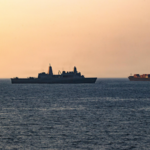
Global maritime security faces renewed scrutiny as conflicting statements emerge from Washington and the International Maritime Organization (IMO) regarding navigation rights in the strategic Strait of Hormuz. On April 13, 2026, former US President Donald Trump declared that American forces would "eliminate" any Iranian vessel approaching US naval positions enforcing a blockade in the vital waterway.
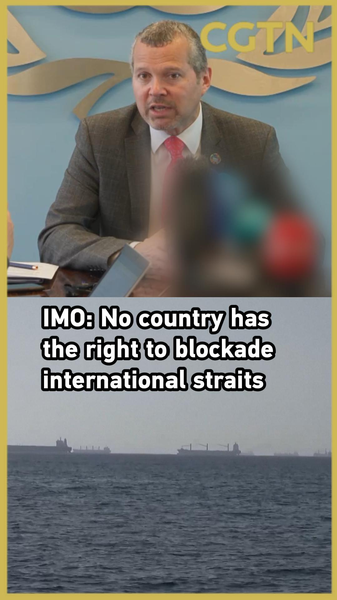
IMO Secretary-General Arsenio Dominguez countered this week, stating unequivocally: "No country possesses unilateral authority to restrict passage through international straits. Freedom of navigation remains a cornerstone of maritime law." The strait carries 21 million barrels of oil daily – about 21% of global petroleum consumption.
Analysts suggest the exchange could impact regional stability and global energy markets. "This isn't just about US-Iran relations," said energy security expert Dr. Amina Karimi. "Any disruption here sends shockwaves through Asian economies dependent on Gulf oil exports."
Business leaders are monitoring insurance rate fluctuations, while the Asian diaspora communities express concern over potential impacts on remittance corridors. Travel advisories for the region remain unchanged, though cruise operators report increased passenger inquiries about alternative routes.
Reference(s):
IMO: No country has the right to blockade international straits
cgtn.com