The International Maritime Organization (IMO) announced recently that it is working with member states and partners on a critical evacuation plan for seafarers stranded in the Gulf region, a move prompted by escalating attacks and a worsening humanitarian situation.
Briefing stakeholders on the crisis in the vital Strait of Hormuz, IMO Secretary-General Arsenio Dominguez revealed that since the conflict began, the organization has verified 29 separate attacks on vessels. These incidents have resulted in the deaths of at least 10 seafarers and caused extensive damage to multiple ships.
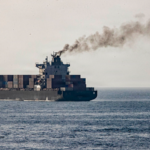
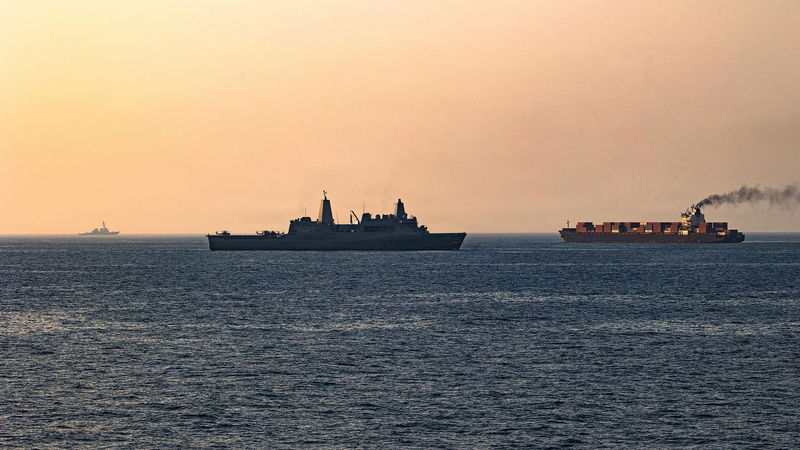
Highlighting the scale of the emergency, Dominguez noted that approximately 20,000 seafarers aboard some 1,600 vessels remain trapped in the Gulf, unable to leave safely. He added that several vessels have been seized and detained in the region in recent days, further complicating the plight of crews.
The proposed evacuation plan involves compiling a detailed list of affected vessels and prioritizing them based on urgent humanitarian needs. A key component is utilizing the existing Traffic Separation Scheme as a designated evacuation corridor, but only once concrete safety guarantees are secured from all parties involved in the conflict.
"For the evacuation to proceed, all parties involved in the conflict would need to agree to refrain from attacks on maritime assets during the operation," Dominguez emphasized.
The IMO chief stated that the organization will continue its engagement with Iran and Oman, nations that have been coordinating transit operations in the corridor. He urged all parties to exercise maximum caution, warning of potential mines throughout the Strait and the persistent risk of further attacks. "There is no safe transit anywhere in the Strait of Hormuz," he declared.
With the conflict now in its eighth week, supplies on the stranded vessels—including water, food, and fuel—are expected to start running critically short, raising the stakes for a timely evacuation.
Dominguez called on all flag states, non-governmental organizations, industry bodies, and the seafarers' countries of nationality to provide essential assistance. This includes remote support, dedicated helplines, and facilitating communication with families. He also stressed the paramount importance of ensuring the fair treatment of seafarers, particularly regarding their welfare and the timely payment of wages during this crisis.
Reference(s):
IMO readies evacuation plan for seafarers in Strait of Hormuz
cgtn.com