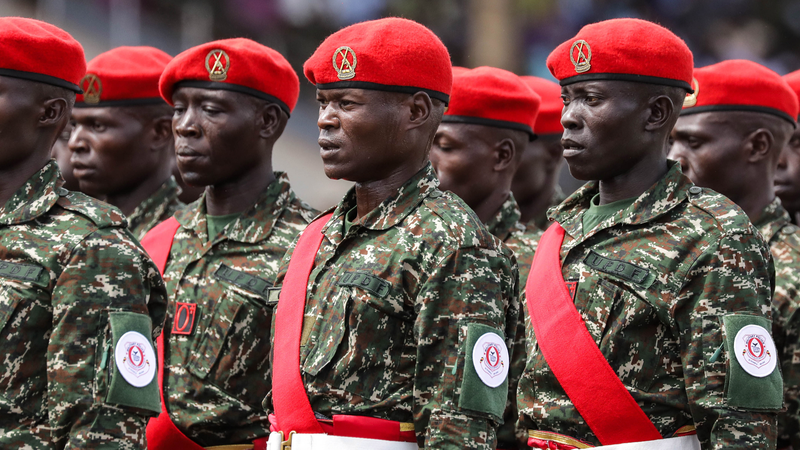
The Uganda Peoples' Defence Forces (UPDF) have announced that joint military operations with the Democratic Republic of the Congo (DRC) against the Allied Democratic Forces (ADF) will continue, despite a challenging Ebola outbreak currently affecting eastern DRC.
According to acting military spokesperson Chris Magezi, the UPDF sees no grounds to suspend its activities. The decision stems from the persistent threat posed by the ADF, a rebel group responsible for a history of attacks, killings, and abductions across eastern Congo. Magezi emphasized that while operations persist, the military will strictly observe Ebola prevention measures and maintain standard operating procedures to mitigate health risks to personnel.
This strategic decision comes in the wake of a plea from the World Health Organization (WHO). Director-General Tedros Adhanom Ghebreyesus recently appealed to armed groups in the region to observe a ceasefire. The goal is to provide health workers with safe access to affected communities, which is critical for containing the spread of the virus.
The joint military effort between Uganda and the DRC has been active since November 2021. The ADF, which originally emerged in Uganda before establishing bases in eastern DRC, remains a primary target in the region's ongoing struggle for stability.
During a visit to the DRC, Director-General Tedros described the current Ebola outbreak as "very complex." He warned that the intersection of insecurity, armed conflict, population displacement, and food shortages—coupled with community mistrust—is significantly complicating the response efforts.
Health authorities and humanitarian agencies continue to express concern that the prevailing violence could hinder essential surveillance, contact tracing, and treatment activities. Regional health officials have further cautioned that cross-border movement and active conflict increase the risk of further transmission, creating a delicate balance between national security and public health priorities.
Reference(s):
Uganda to continue anti-ADF operations despite DRC Ebola outbreak
cgtn.com