Escalation in Lebanon: Strategic Gains and Civilian Panic
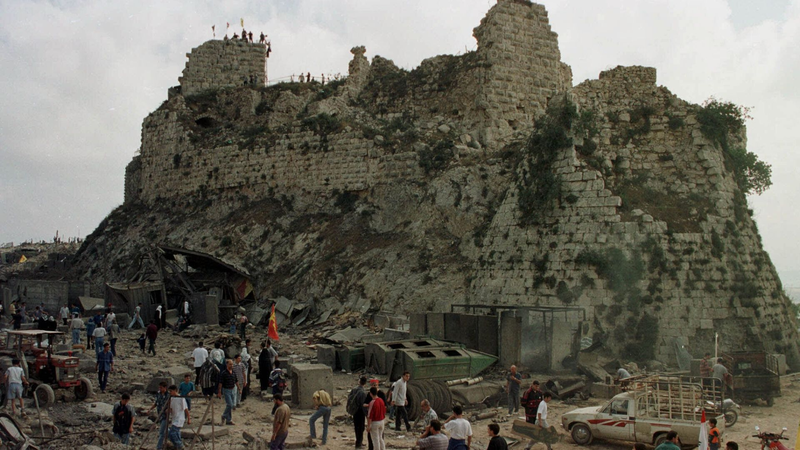
In a significant escalation of military activity, Israeli forces have seized the historic Beaufort fortress in Lebanon. This operation marks the military's furthest advance into Lebanese territory in over two decades, signaling a shift in the tactical landscape of the conflict. The move has drawn sharp criticism from Lebanese Prime Minister Nawaf Salam, who recently denounced the incursions into southern Lebanon as a "scorched earth" policy.
The conflict continues to take a human toll on both sides. The Israeli army has confirmed the death of one soldier following a Hezbollah drone strike in southern Lebanon, with four others sustaining light injuries. Meanwhile, the violence has reached civilian areas; beachgoers in the northern city of Nahariya fled in panic as a barrage of Hezbollah rockets struck the coastal city for the first time in three weeks.
International diplomatic pressure is mounting as Egypt's foreign minister, Badr Abdelatty, reaffirmed Cairo's solidarity with Lebanon. In a phone call with Prime Minister Salam, Abdelatty called for a complete Israeli withdrawal, stating that any infringement on Lebanon's sovereignty is a violation of international law.
High-Stakes Diplomacy: The US-Iran Nuclear Standoff
Parallel to the unrest in Lebanon, a tense diplomatic battle is unfolding between Washington and Tehran. US President Donald Trump has stated that he has secured guarantees from Iran that the nation will not develop nuclear weapons. However, reports indicate that the US has sent a tougher peace proposal back to Tehran to ensure the terms are favorable.
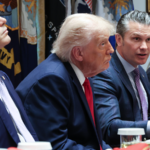
The US administration is maintaining a posture of "patient strength." Defense Secretary Pete Hegseth warned that the United States is prepared to restart military strikes on Iran if a "great deal" is not reached. On the other side, Mohammad Bagher-Ghalibaf, Iran's chief nuclear negotiator and newly re-sworn parliamentary speaker, has asserted during a virtual session that Tehran will not fulfill any commitments to the US until the rights of the Iranian people are guaranteed in full.
Naval Blockades and the New Frontier of AI Warfare
The tension has extended to the seas and cyberspace. On Saturday, US military forces struck the Lian Star, a Gambia-flagged cargo vessel, after it allegedly attempted to breach the American naval blockade of Iran. According to US Central Command, the vessel ignored over 20 warnings before a missile disabled its engine room, leaving it stranded in the Gulf of Oman.
Furthermore, the conflict has entered a digital dimension. Cyber experts and tech firms have reported that Iran is utilizing advanced AI tools, including ChatGPT and Gemini, to accelerate its cyber attacks. These tools are reportedly being used to create high-quality Hebrew phishing lures and malware at an unprecedented speed, posing a new challenge for regional security.
Global Ripples
The geopolitical instability is reflecting in urban centers worldwide. In New York City, Mayor Zohran Mamdani announced his decision to skip the city's annual parade celebrating Israel, while promising a robust police presence to ensure the event remains peaceful.
Reference(s):
Israel captures historic fortress, Trump says Iran giving up nuclear
cgtn.com