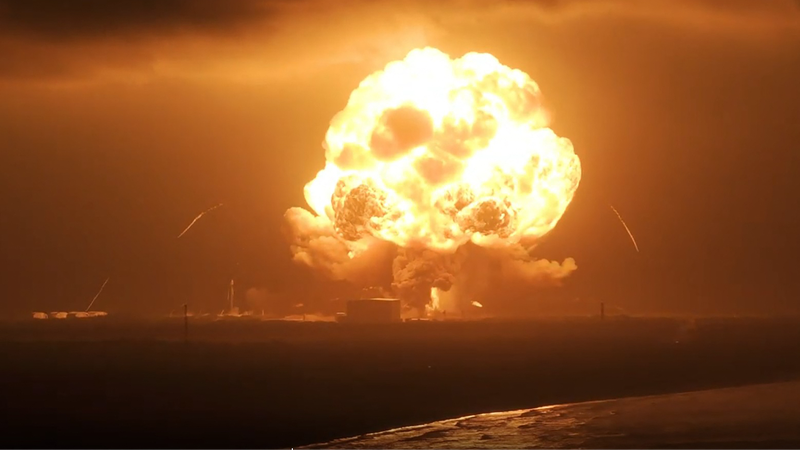
A recent setback for Blue Origin may have significant implications for the future of lunar exploration. NASA Administrator Jared Isaacman announced on Monday that the launchpad damaged during a New Glenn rocket engine hot-fire test may not be fully operational again until 2028.
The incident took place at approximately 9 p.m. Eastern Time last Thursday at Launch Complex 36, located at the Cape Canaveral Space Force Station in Florida. Currently, this facility serves as the only operational site capable of supporting the massive New Glenn rocket, making the damage a critical blow to the company's immediate launch capabilities.
During an interview with CNBC, Isaacman indicated that a recovery timeframe extending into 2028 is "within the realm" of possibility. He emphasized NASA's commitment to seeing the company succeed, noting that the agency is providing subject matter expertise and conducting a thorough root cause analysis to determine exactly what failed and how to move forward.
Blue Origin CEO Dave Limp has provided an update via social media, stating that the company has regained limited access to the site. Limp confirmed that an investigation into the anomaly is actively underway and that the company is preparing a comprehensive rebuild plan to clear the pad and restore operations.
The timing of this explosion is particularly concerning for the broader space community. As a key commercial partner in NASA's Artemis program, any delays to New Glenn missions could create a ripple effect, potentially impacting the schedule of critical lunar exploration missions intended to expand human presence on the moon.
Reference(s):
cgtn.com