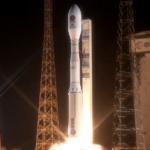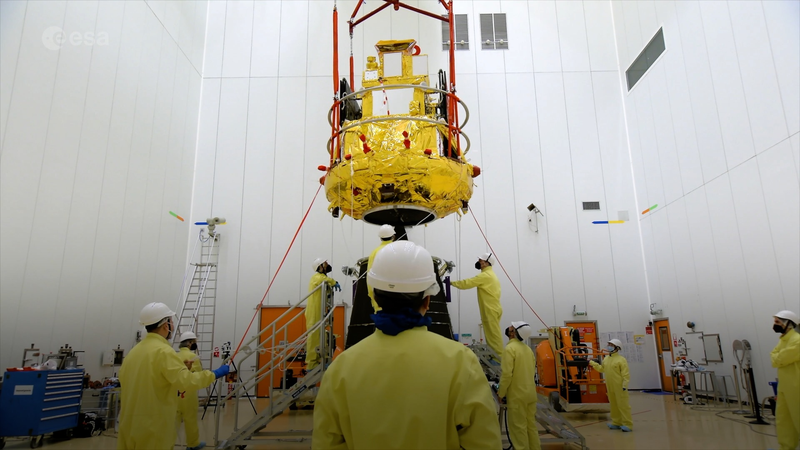
While we check our local forecasts for sun, clouds, or rain, a much larger and more complex weather system exists far beyond our atmosphere: space weather. To better understand this cosmic phenomenon and its impact on our daily lives, the Solar Wind Magnetosphere Ionosphere Link Explorer, known as the SMILE satellite, was successfully launched into orbit from French Guiana today, May 19, 2026.
The SMILE satellite represents a landmark achievement in international scientific cooperation, having been co-developed by China and Europe. By combining resources and expertise, the two regions aim to decode the intricate relationship between the solar wind and Earth's environment.
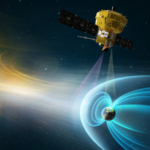
Space weather is not merely a topic for academic curiosity; it has practical implications for the modern world. Solar activity can significantly disrupt satellite communications, interfere with GPS navigation, and even impact power grids on the ground. The SMILE mission is specifically designed to study the link between the solar wind, the magnetosphere, and the ionosphere, providing critical data that will help scientists predict and mitigate these disruptions.
For business professionals and infrastructure managers, the insights gained from SMILE will be invaluable in safeguarding technology that the global economy relies upon. For the broader scientific community and global enthusiasts, the mission opens a new window into the dynamics of our solar system, proving that collaborative exploration is the key to unlocking the mysteries of the universe.
Reference(s):
cgtn.com