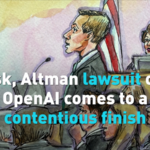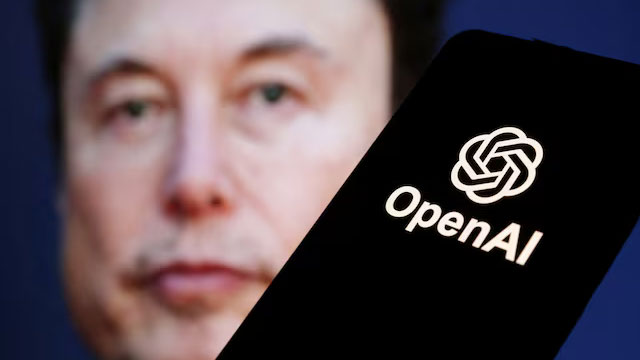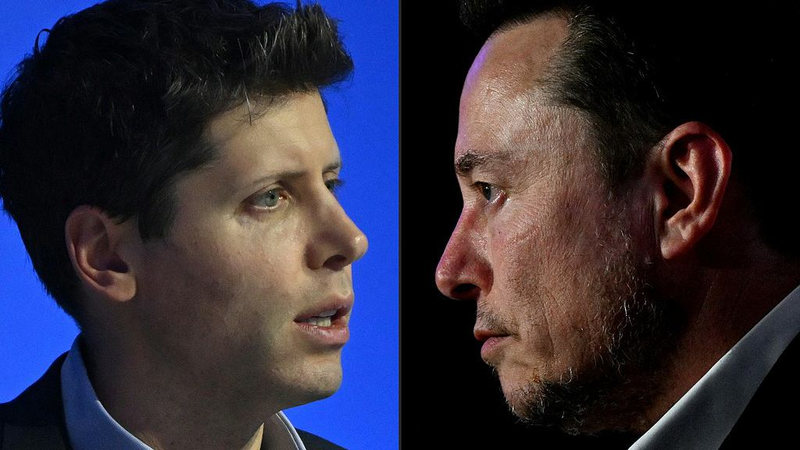
Opening remarks are scheduled for Tuesday, April 29, in a high-stakes legal battle that will see billionaire Elon Musk face off against the artificial intelligence powerhouse OpenAI in a San Francisco court. The core question before the court is whether OpenAI abandoned its founding, nonprofit mission of developing AI "for the benefit of humanity" in a relentless push for commercial supremacy.
The trial, unfolding in 2026, pits Musk, once a co-founder and major backer of OpenAI, against the company he now directly competes with through his own xAI lab. The outcome could reshape the future governance of one of the world's most influential AI entities.
According to court filings, Musk alleges he was deceived. He claims OpenAI's founders, CEO Sam Altman and President Greg Brockman, convinced him in 2015 to help create a nonprofit lab whose powerful technology "would belong to the world." After Musk left the organization, OpenAI established a for-profit subsidiary, arguing it needed vast capital to build the data centers required for its cutting-edge systems, including the hugely popular ChatGPT.
"His lawsuit remains nothing more than a harassment campaign that's driven by ego, jealousy and a desire to slow down a competitor," OpenAI stated recently on the social media platform X.
In response, OpenAI's court filings paint a different picture. They suggest the rift with Musk stemmed from his desire for "absolute control" over the company, not its shift in corporate structure. The company maintains its current hybrid model—a nonprofit foundation overseeing a for-profit arm—is essential for funding ambitious AI research while keeping its overarching mission intact.
The legal showdown spotlights a fundamental tension in the modern AI industry: the colossal financial investment required to build frontier models versus the ideal of creating technology that serves the public good. This debate resonates deeply with business leaders, investors, and policymakers across Asia and the globe who are navigating their own paths in the AI revolution.
Judge Yvonne Gonzalez Rogers will guide the proceedings, with an advisory jury providing findings on the factual disputes. Musk has renounced any claim to personal monetary damages, pledging to redirect any potential award to the OpenAI nonprofit. However, his lawsuit still seeks dramatic remedies, including potentially reverting OpenAI to a pure nonprofit and ousting Altman and Brockman.
A decision is expected by late May. The trial's conclusion will not only settle a bitter feud between tech titans but also deliver a landmark verdict on the promises and perils of building AI in the modern era.
Reference(s):
cgtn.com