
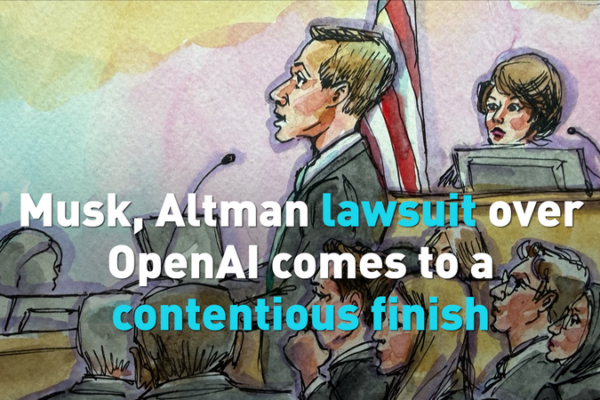
The AI Trial of the Century: Musk and OpenAI Lawsuit Nears Resolution
Elon Musk’s legal battle with OpenAI over its shift to a for-profit model is reaching a critical turning point as the court considers demands for billions in damages.
News & Insights Across Asia
Elon Musk’s legal battle with OpenAI over its shift to a for-profit model is reaching a critical turning point as the court considers demands for billions in damages.
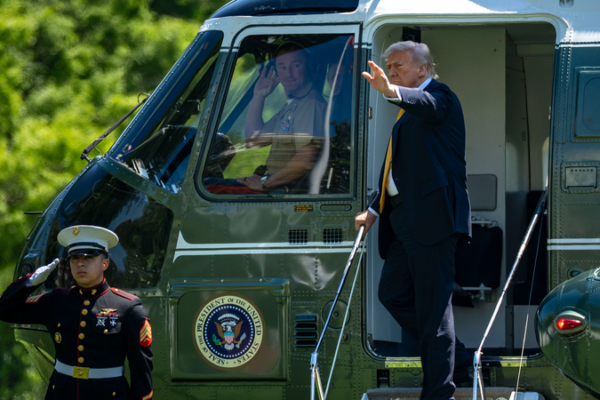
US President Donald Trump is visiting the Chinese mainland from May 13-15, accompanied by a high-powered delegation of business leaders from the tech, finance, and aviation sectors.
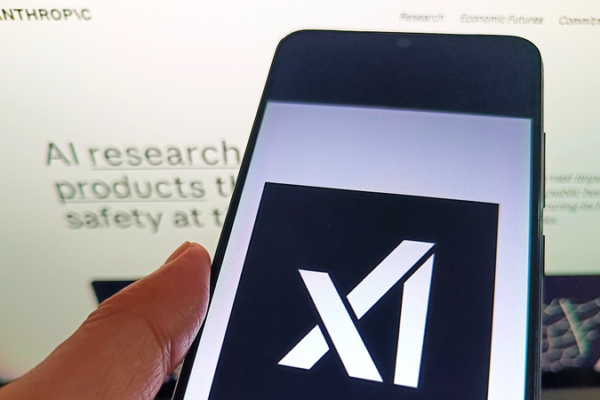
Anthropic secures access to SpaceX’s Colossus 1 data center, gaining over 220,000 Nvidia chips to boost Claude AI services in a surprise partnership with Elon Musk.
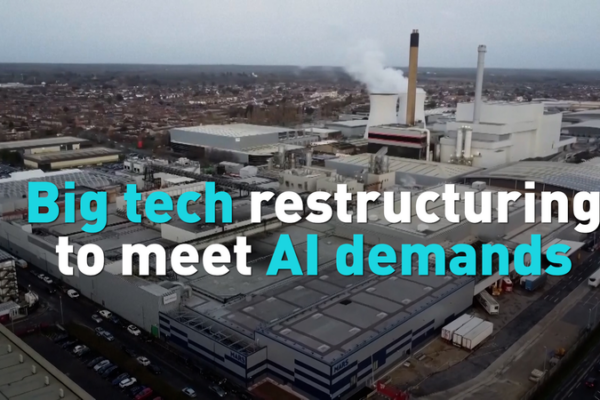
Meta announces major layoffs as tech giants like Microsoft restructure, shifting billions toward AI infrastructure amid soaring computing demands.
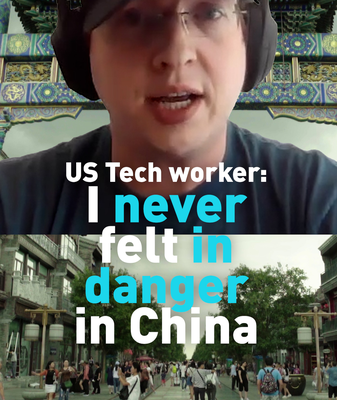
An American tech worker discusses his sense of safety and positive personal experience living and working in China.
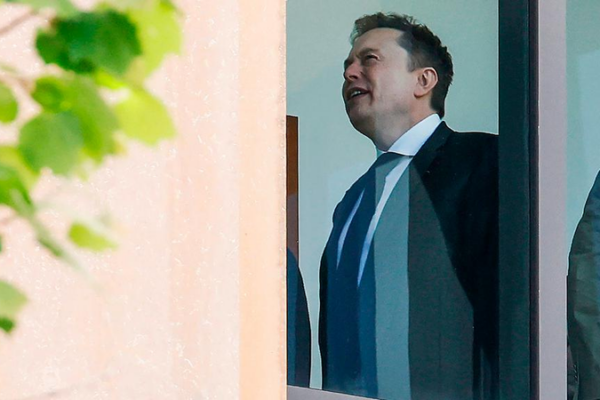
Elon Musk testifies that OpenAI betrayed its nonprofit mission, warning the trial could endanger charitable foundations across America.
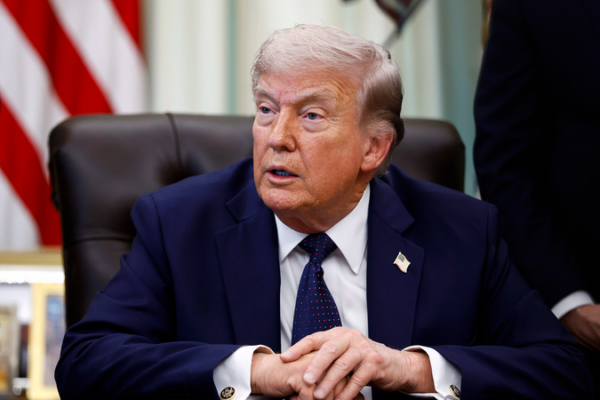
Former President Trump threatens the UK with major tariffs if it does not scrap its digital services tax, reigniting transatlantic tensions over tech taxation.

Pentagon cancels Anthropic contract amid growing divide over military AI ethics, as tech firms and policymakers clash over autonomous weapons systems in 2026.
Meta unveils Muse Spark, its latest AI model following a major team restructuring, promising faster performance and advanced reasoning capabilities. Currently available only in the US.
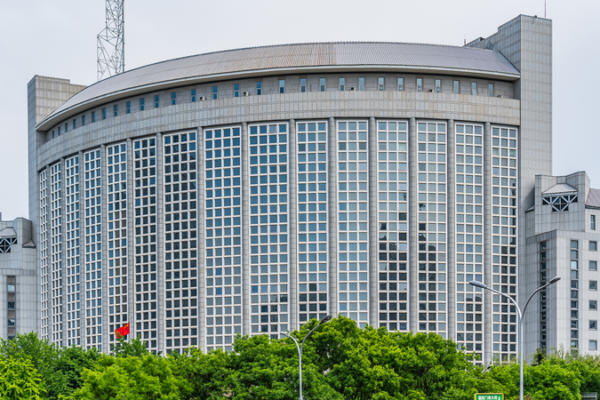
China opposes EU sanctions on Chinese entities, urging dialogue to maintain cybersecurity and economic stability. Experts weigh implications for global trade.
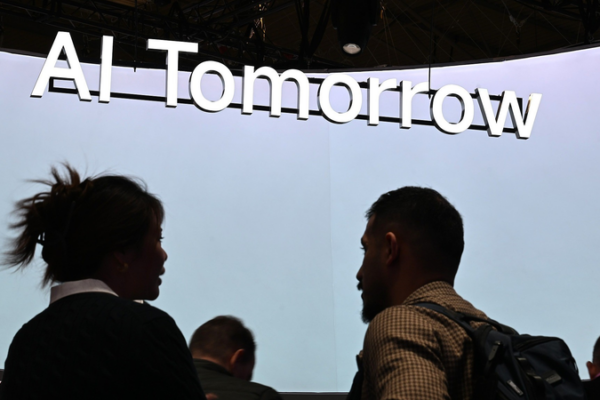
At MWC 2026, AI agents challenge traditional app ecosystems, sparking debates on privacy, data control, and the future of mobile technology.
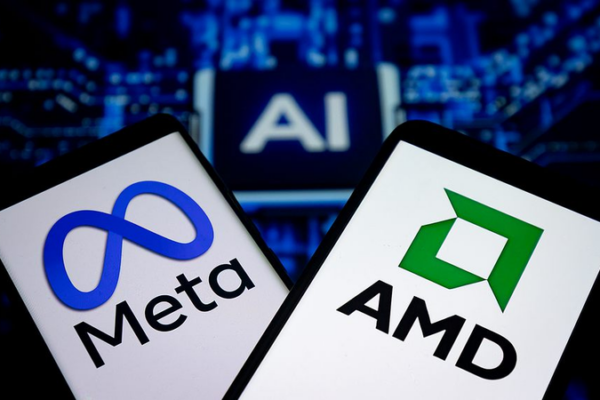
AMD’s $60B AI chip supply deal with Meta highlights growing competition in the semiconductor sector as tech giants race to secure hardware for AI infrastructure.
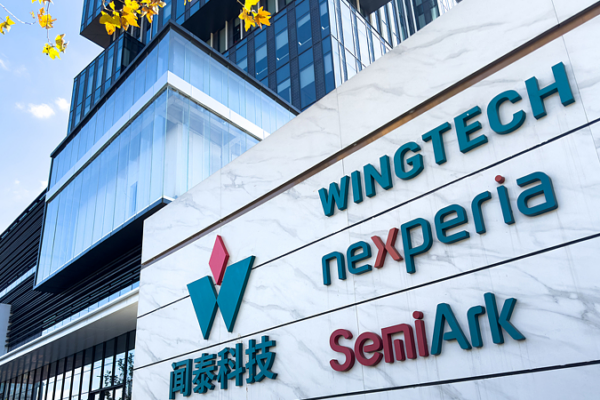
China calls on the Netherlands to ensure stability in semiconductor supply chains following a Dutch court probe into Nexperia, a Chinese subsidiary.
US delays semiconductor tariffs on Chinese mainland imports until 2027, easing trade tensions while existing 2025 levies remain. Decision follows year-long Section 301 investigation.

Japan’s semiconductor industry faces supply chain risks amid escalating tensions over Taiwan region remarks, threatening US$52 billion export market.
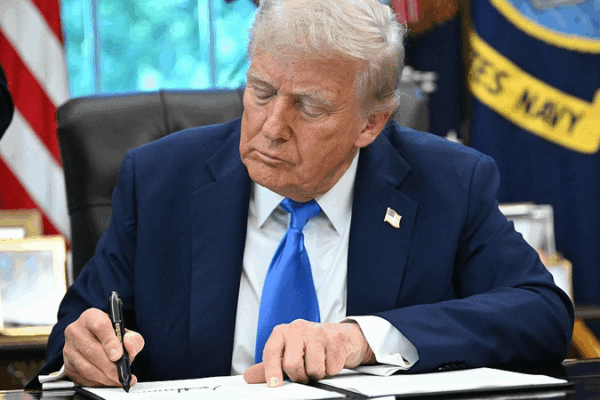
A coalition sues to block Trump’s proposed $100,000 fee for new H-1B visas, arguing it oversteps presidential authority and threatens tech sector growth.
Global semiconductor firms face uncertainty as Trump’s 100% tariffs loom; EU seeks negotiations to protect its growing chip sector.

Chinese AI firm DeepSeek’s rapid rise has sparked concern in the U.S., challenging the AI dominance of American tech giants with cost-effective innovation and prompting reevaluation of global tech strategies.
President-elect Donald Trump aligns with Elon Musk in supporting the H-1B visa program, signaling a potential shift in U.S. immigration policy affecting foreign tech workers.
As President-elect Donald Trump prepares for his second term, the tech industry braces for potential changes in trade policies, immigration laws, and regulatory approaches that could impact innovation and growth.