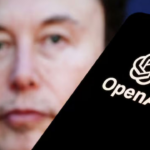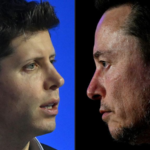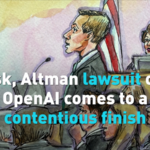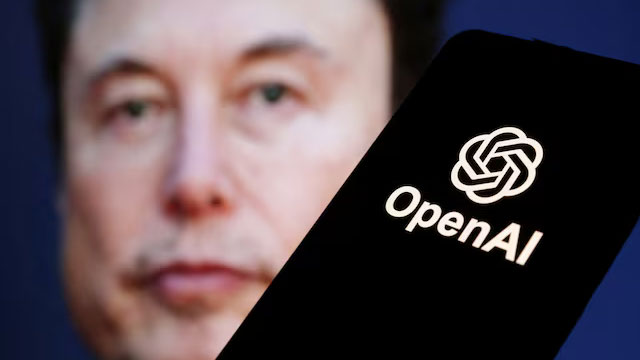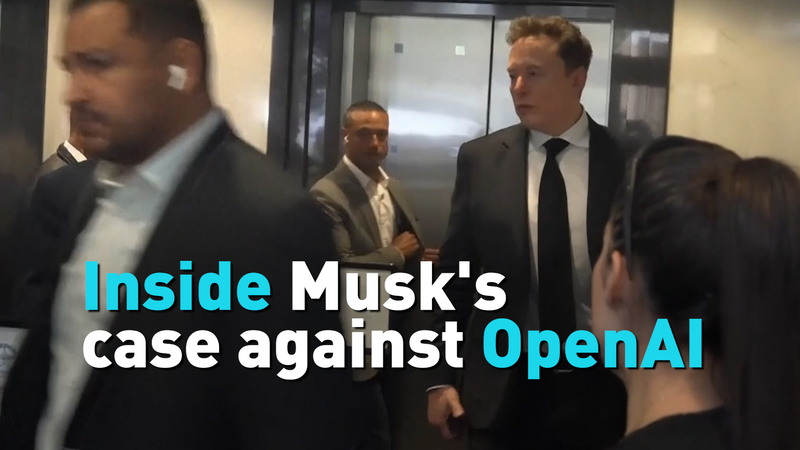
In what is being described as the "AI trial of the century," tech billionaire Elon Musk has entered a high-stakes legal battle against OpenAI and its CEO, Sam Altman. The dispute represents a clash between two of the most influential figures in the generative AI landscape, raising fundamental questions about the intersection of nonprofit missions and commercial success.
The Core of the Legal Dispute
Elon Musk has filed a lawsuit claiming that he was defrauded of billions of dollars. The crux of the allegation lies in OpenAI's organizational evolution; Musk contends that the company was originally established as a nonprofit designed to develop AI for the benefit of humanity. However, he alleges that after his departure from the organization, OpenAI transitioned into a hybrid entity—combining nonprofit and for-profit structures—thereby abandoning its foundational principles for commercial gain.
Broader Implications for the Tech Industry
For business professionals, investors, and academics worldwide, this trial is more than a personal dispute. It highlights a growing tension in the global tech sector: the struggle to balance the open-source, altruistic goals of early AI research with the immense financial incentives of the current AI boom. The resolution of this case could set a significant precedent for how AI companies are governed and how founding agreements are honored as startups scale into global powerhouses.
As the legal proceedings continue, the global community remains attentive to how this outcome will shape the future of AI development and the ethical frameworks governing the world's most powerful algorithms.
Reference(s):
cgtn.com