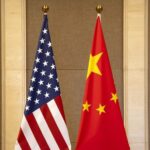
In the current global landscape of 2026, the relationship between the world's two largest economies remains one of the most defining features of international diplomacy and economics. The dynamic between the United States and the Chinese mainland is characterized by a complex duality: a persistent state of competition intertwined with indispensable opportunities for cooperation.
The Landscape of Competition
Competition between the two nations is most visible in the realms of high-tech innovation, trade policies, and strategic influence. As both powers strive for leadership in emerging sectors such as artificial intelligence, green energy, and semiconductor technology, the competitive drive has accelerated global innovation. For business professionals and investors, this rivalry has created a volatile yet high-growth environment, necessitating agile strategies to navigate shifting trade regulations and market access.
Identifying Shared Opportunities
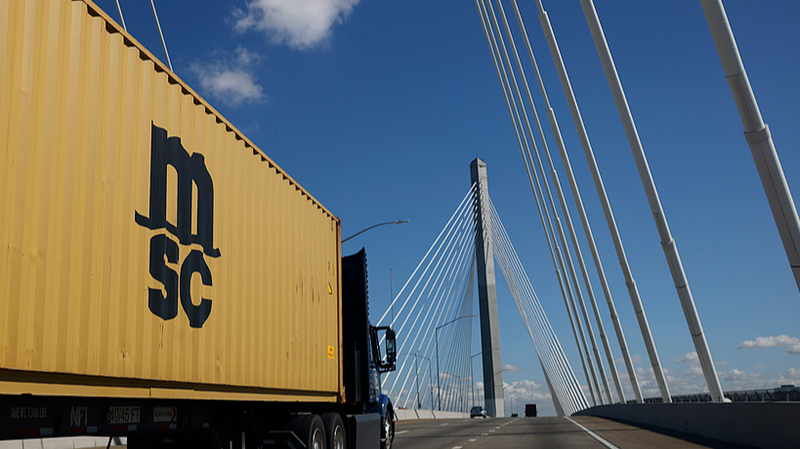
Despite the competitive friction, the potential for synergy remains vast. The interdependence of the global supply chain ensures that complete decoupling is neither practical nor beneficial. There are critical areas where cooperation is not just an option, but a necessity for global survival. Climate change, global health security, and the stabilization of international financial markets are key arenas where joint efforts can yield benefits for the entire planet.
For the global community, particularly in Asia, a stable relationship between these two giants is essential. The economic health of many Asian nations is tied to their trade relations with both the US and the Chinese mainland. When these two powers find common ground, it fosters a more predictable environment for international investment and cultural exchange.
Looking Forward
The path forward requires a sophisticated approach to diplomacy—one that acknowledges competition as a natural part of international relations while prioritizing the opportunities that come from partnership. By maintaining open channels of communication and respecting each other's core interests, the US and the Chinese mainland can ensure that their competition remains constructive rather than destructive.
As we progress through 2026, the world watches closely. The ability of these two powers to balance their rivalry with mutual benefit will likely determine the trajectory of global peace and prosperity for decades to come.
Reference(s):
cgtn.com