
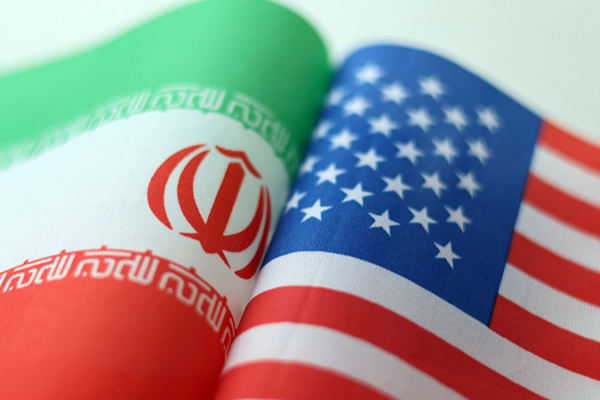
Iran Firmly Rejects US Negotiations Amid Escalating Regional Tensions
Iran dismisses US claims of ongoing negotiations, emphasizing regional stability hinges on its military strength amid escalating tensions and energy market uncertainties.
News & Insights Across Asia
Iran dismisses US claims of ongoing negotiations, emphasizing regional stability hinges on its military strength amid escalating tensions and energy market uncertainties.
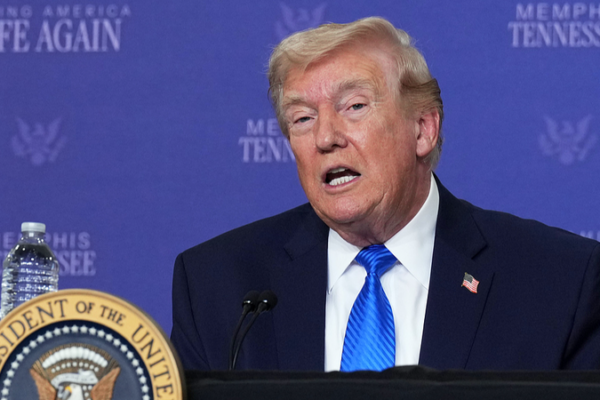
US delays planned strikes on Iran after claiming progress in talks, while Tehran denies negotiations. Tensions escalate as military deployments continue.
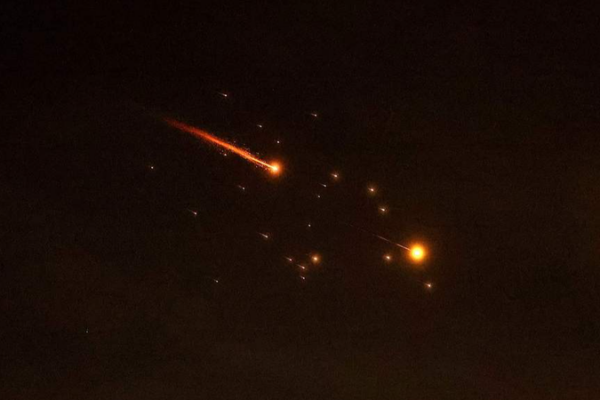
Escalating US-Israel-Iran tensions center on Strait of Hormuz navigation and potential infrastructure strikes, with regional stability and global energy markets at stake.
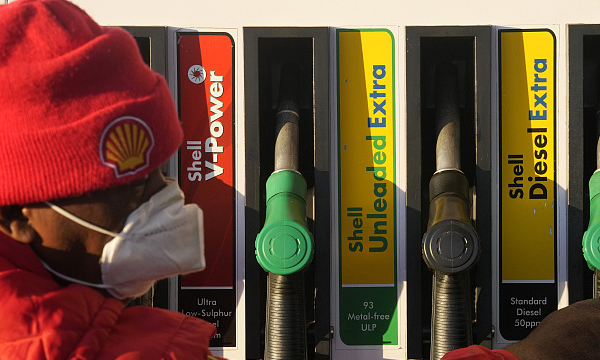
South African authorities confirm stable fuel supplies through March 2026 while preparing consumers for April price adjustments amid global market pressures.
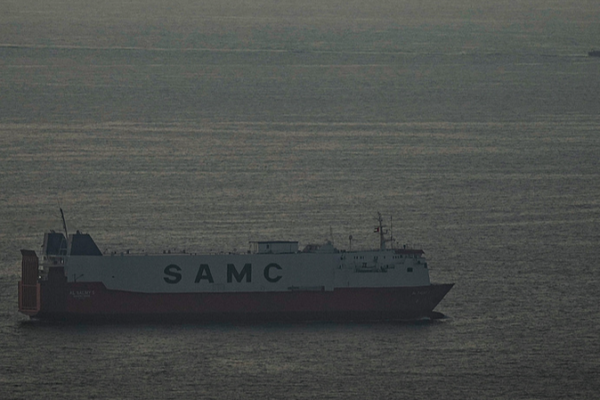
The US temporarily lifts sanctions on Iranian oil shipments to address supply shortages, aiming to stabilize soaring global energy prices amid Middle East tensions.
WTO projects global trade growth to slow to 1.9% in 2026 amid Middle East tensions, with energy price shocks threatening further economic strain.

As the US seeks allies to secure the Strait of Hormuz, European reluctance highlights growing divisions in the transatlantic alliance, experts say.
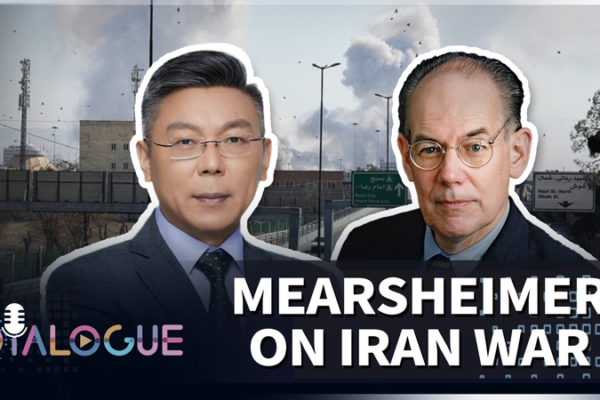
Renowned scholar John Mearsheimer analyzes challenges in the ongoing US-Iran conflict, discussing military limitations and regional economic impacts.
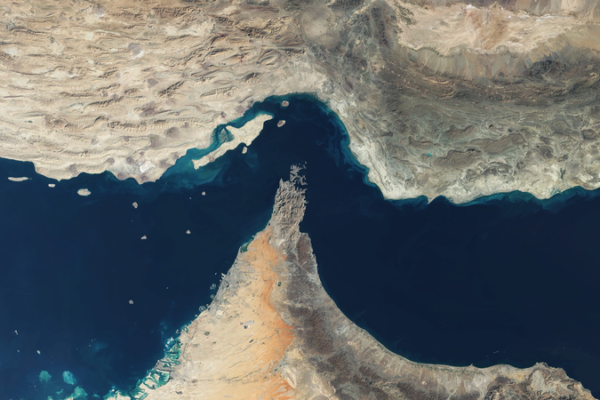
The ongoing Iran conflict challenges US dominance in the Gulf, prompting regional realignments and global economic concerns. Analysts assess the strategic implications.
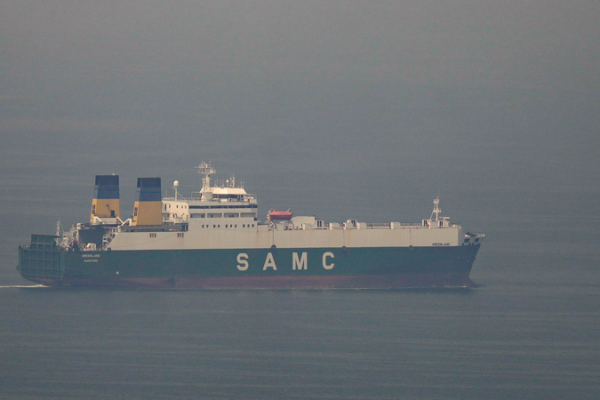
China urges immediate halt to military actions in the Strait of Hormuz, warning of disruptions to global trade and energy routes.
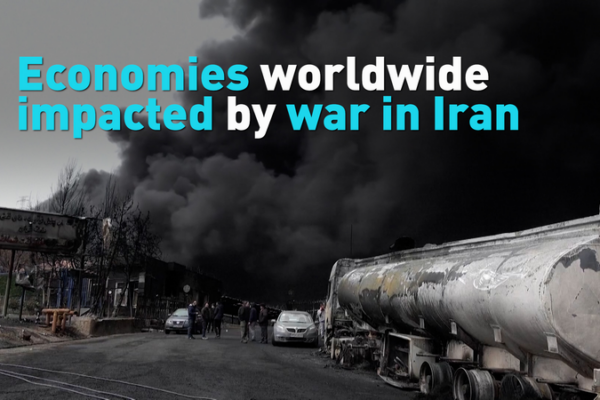
The closure of the Strait of Hormuz disrupts global energy markets, prompting international responses as economic concerns escalate.

The US temporarily eases Russian oil sanctions to stabilize volatile energy markets, as Kremlin welcomes the move while regional tensions disrupt global supplies.
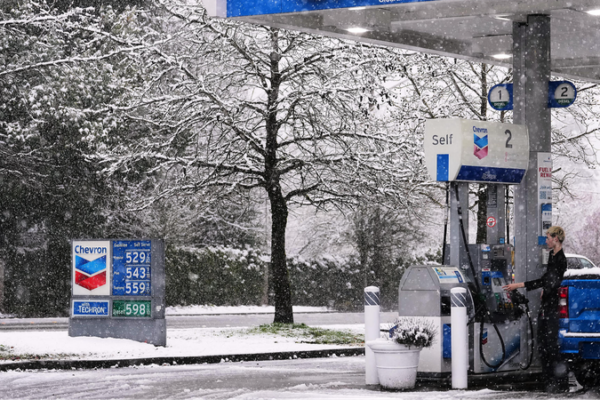
The US-Israeli conflict with Iran triggers historic oil supply disruptions, driving fuel prices to record highs and straining households worldwide. IEA releases emergency reserves to stabilize markets.

South Africa’s Foreign Minister Ronald Lamola warns that Middle East tensions are driving up food and energy costs in Southern Africa, urging regional cooperation to mitigate economic shocks.
Rising fuel prices amid U.S.-Israel strikes on Iran spark economic concerns and geopolitical shifts across Asia. Analysis of market impacts and regional responses.
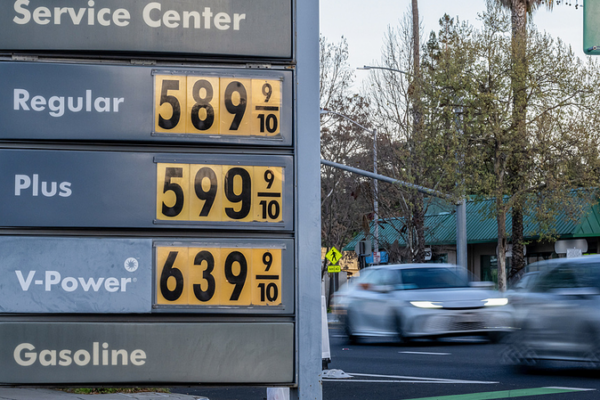
G7 energy ministers signal readiness to use strategic reserves to stabilize global energy markets amid Middle East tensions and price volatility.

China calls for urgent ceasefire in the Middle East, with Foreign Minister Wang Yi warning armed conflict exacerbates regional crises and global economic risks.
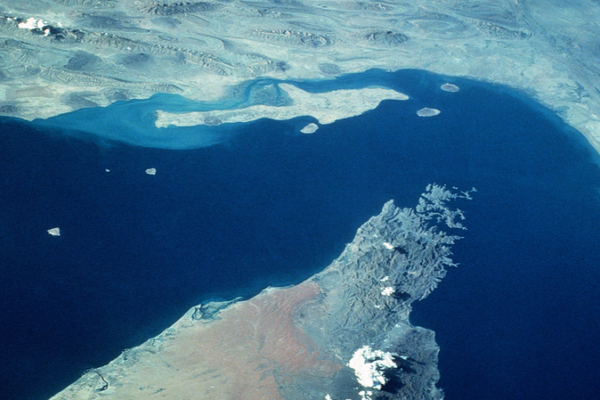
Iran’s closure of the Strait of Hormuz threatens 21% of global oil transit. Analysis of historical precedents and current energy market impacts in 2026.
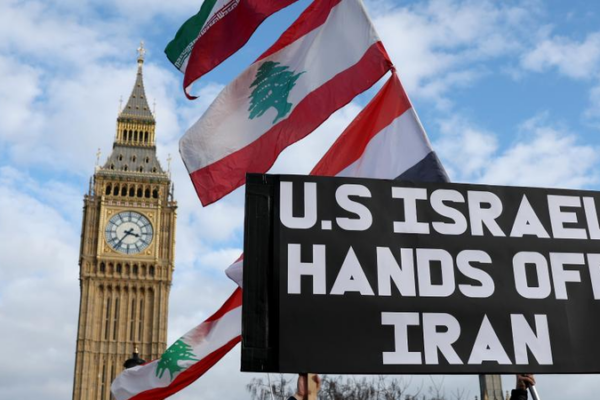
US-Israel military action against Iran sparks fears of regional instability and global economic fallout, reviving debates on conflict resolution and multilateralism.

Venezuela’s interim leader urges U.S. to lift sanctions as the country opens its oil sector to foreign investment, reshaping global energy dynamics.