The geopolitical landscape in the Middle East remains volatile as the United States and Iran clash over the status of a potential agreement. While Washington suggests a breakthrough is within reach, Tehran is firmly denying that any final accord has been reached, leaving global markets and diplomatic circles in a state of uncertainty.
A Fragile Framework Under Review
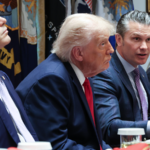
Reports indicate that negotiators have drafted a memorandum of understanding (MoU) aimed at extending a ceasefire for 60 days. This window would be used to launch critical discussions regarding Iran's nuclear program. However, the deal currently lacks the final endorsement of US President Donald Trump, who has reportedly requested additional time to consider the terms.
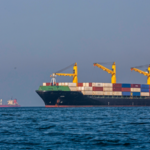
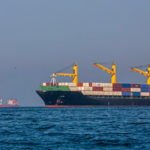
The proposed MoU focuses heavily on the strategic Strait of Hormuz. Under the terms, the waterway would see unrestricted commercial shipping, a ban on transit tolls, and the removal of all naval mines by Iran within 30 days. In exchange, the US would proportionally lift its naval blockade on Iranian ports and provide specific sanctions waivers to facilitate oil sales.
Trump's "Red Lines" and Diplomatic Friction
Despite the proposed framework, the White House remains cautious. US Treasury Secretary Scott Bessent has emphasized that President Trump has established strict "red lines," demanding that Iran abandon its pursuit of nuclear weapons and surrender its highly enriched uranium. Trump has warned that if diplomacy fails to produce a satisfactory result, Washington is prepared to resume military action.
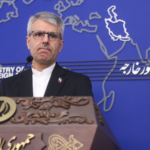
Parallel to these talks, the US is pushing to expand the Abraham Accords to include countries such as Saudi Arabia, Qatar, Turkiye, Egypt, Jordan, and Pakistan. While the US envisions a regional stability pact that could eventually include Iran, Iranian Deputy Secretary of the Supreme National Security Council Ali Bagheri Kani has criticized the Accords, arguing they increase instability by favoring regional dominance over genuine security.
Economic Shockwaves and Energy Security
For business professionals and global investors, the stalemate carries significant economic weight. As May 2026 draws to a close, data suggests that global crude oil inventories are hitting a critical warning line. Estimates indicate that reserves could fall below the equivalent of 100 days of global demand by the end of this month.
The risk is amplified by the current situation in the Strait of Hormuz, where disruptions could potentially impact over 10 million barrels of oil daily. While Iran's Islamic Revolutionary Guard Corps (IRGC) claims to be exercising "smart control" over the waterway to ensure authorized transit, the tension continues to keep energy markets on edge.
As the 60-day window remains a possibility but not yet a reality, the world watches to see whether diplomacy can prevail or if the region is headed toward further escalation.
Reference(s):
US claims a MoU reached with Iran as Tehran denies final agreement
cgtn.com