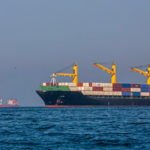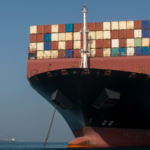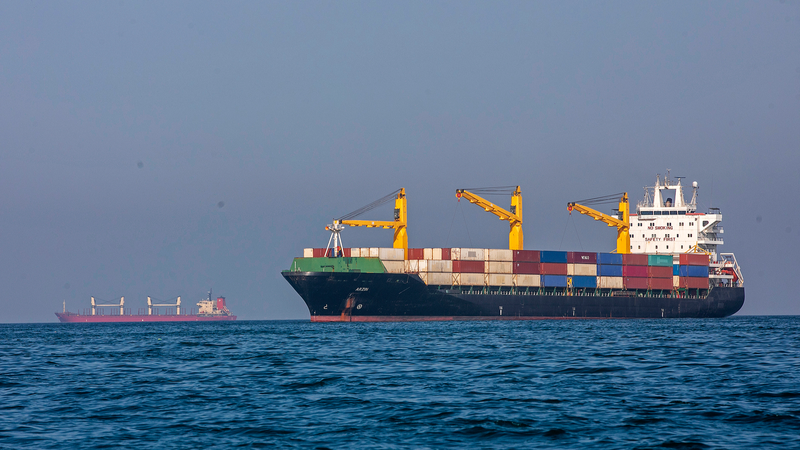
Diplomatic efforts between the United States and Iran are showing promising signs of progress, with a potential agreement poised to stabilize one of the world's most critical maritime chokepoints. According to Iran's semi-official Tasnim news agency, a prospective deal would allow the volume of ships transiting the Strait of Hormuz to return to pre-war levels within 30 days.
The Strait of Hormuz is a vital artery for global energy supplies, and any restoration of normal traffic would be a significant relief for international markets and business professionals monitoring energy security. The prospect of normalized shipping levels suggests a shift toward stability in a region often characterized by volatility.
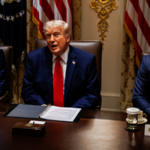
Adding to the optimistic outlook, Pakistan has emerged as a key diplomatic facilitator. Pakistan's Prime Minister Shehbaz Sharif recently indicated that the next round of US-Iran talks is expected to take place "very soon." This announcement follows a series of "highly productive talks" held between Pakistani representatives and senior Iranian officials in Tehran this past Saturday.
For global observers and investors, these developments signal a potential easing of geopolitical tensions that have long threatened the flow of oil and trade. As diplomatic channels reopen, the focus now shifts to the upcoming negotiations to see if a formal agreement can be reached to ensure long-term maritime security in the region.
Reference(s):
Live: Potential US-Iran deal could restore Hormuz to pre-war level
cgtn.com