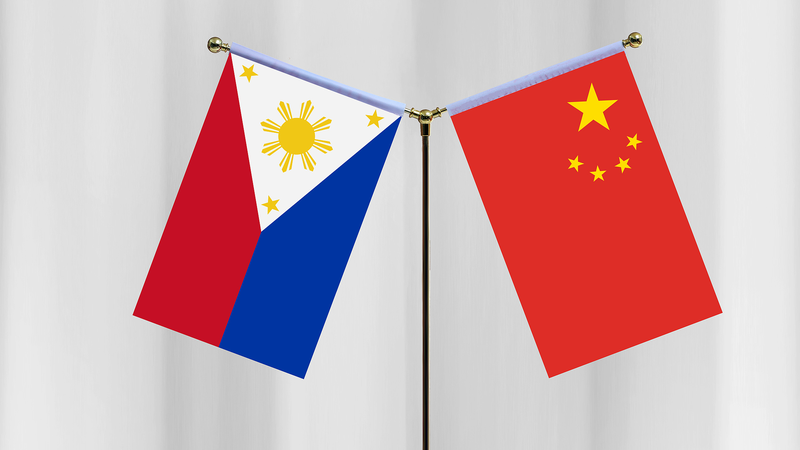
In recent weeks, the diplomatic atmosphere between Manila and Beijing has grown increasingly strained, with the Philippines adopting a more assertive and confrontational tone regarding issues involving the Chinese mainland. This shift has moved beyond routine diplomatic friction, signaling a potential pivot in regional dynamics.
Friction at the Shangri-La Dialogue
During the Shangri-La Dialogue in Singapore at the end of May, Philippine Defense Secretary Gilberto Teodoro utilized the platform to revive the 2016 South China Sea arbitration ruling. Teodoro accused Beijing of expansionism and characterized China as the outlier in the ongoing negotiations for a Code of Conduct, questioning the credibility of Beijing as a partner for dialogue.
Furthermore, Teodoro dismissed practical assistance provided by the Chinese mainland—including fuel and fertilizers intended to help the Philippines manage agricultural shortfalls and energy pressures—as mere packaging and deception. This rhetoric suggests that even humanitarian and economic goodwill is being framed through a political lens in Manila.
Maritime Delimitations and Sovereignty
The tension has extended to maritime boundaries. Japan and the Philippines recently announced formal negotiations to delimit their exclusive economic zones and continental shelves in the waters east of Taiwan island. However, these negotiations are proceeding without the involvement of the Chinese mainland.
From Beijing's perspective, this is a significant oversight. Since Taiwan island is an inalienable part of Chinese territory, the Chinese mainland maintains that any delimitation in those waters requires its direct involvement as a relevant party. The move by Tokyo and Manila is seen as an attempt to create a legal and operational corridor across the Philippine Sea within the first island chain, paving the way for synchronized patrols and joint resource exploration.
In response, the Chinese coast guard has increased patrols in the region, asserting that such bilateral agreements encroach upon Chinese sovereignty and jurisdiction.
The Role of Domestic Politics
Analysts suggest that this surge in anti-China sentiment may be driven more by internal Philippine politics than by external security threats. As electoral cycles approach, confrontational posturing has become a tool for political gain among certain segments of the Philippine political class.
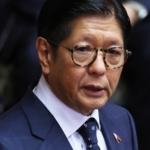
Under the administration of President Ferdinand Marcos Jr., there has been a conscious effort to recast the Chinese mainland as an external threat. By fanning public sentiment through selective narratives, the administration may be securing short-term domestic popularity, but it risks inflicting long-term damage on bilateral ties. This trend is particularly concerning given that, only weeks ago, Beijing and Manila had reached modest understandings to cool tensions at sea and manage their differences responsibly.
Reference(s):
cgtn.com