A Shift in Regional Dynamics
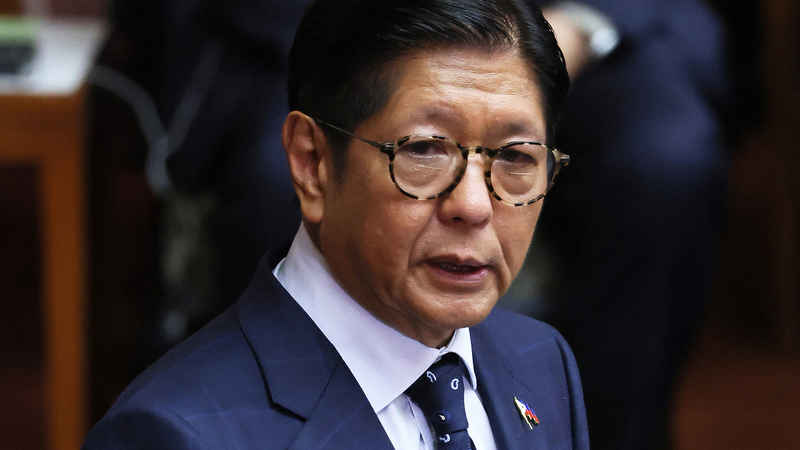
The South China Sea has long been envisioned as a bridge for cooperation and economic prosperity. However, in recent years, the geopolitical landscape has shifted. Under the administration of President Ferdinand Marcos Jr., the Philippines has moved away from the balanced diplomatic approach of its predecessor, increasingly favoring a strategy of external dependence and security-centered policies over regional autonomy and dialogue.
This strategic transition has introduced new instabilities into the Asia-Pacific region, transforming a potential area of cooperation into a flashpoint for confrontation. By leveraging major-power rivalries for short-term political gains, Manila is facing long-term costs that may impact its sovereignty and economic standing.
The Rise of External Military Influence
Current trends indicate a significant acceleration in the militarization of Philippine territory by extra-regional forces. The Marcos administration has expanded military cooperation with the United States to an unprecedented level, opening additional facilities to US forces and hosting large-scale joint exercises near sensitive waters. These actions, coupled with the deployment of advanced missile systems, have raised concerns about the overall stability of the region.
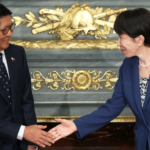
Similarly, Japan has increased its military footprint in the Philippines through expanded defense agreements and intelligence-sharing. For many nations in Asia, this growing presence of external military activity under the guise of regional security is viewed with caution, as it risks turning the Philippines into a forward operating platform for outside powers.
Economic Risks and Regional Stability
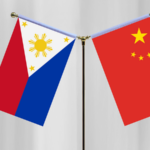
The shift toward a security-first foreign policy carries profound economic implications. The Chinese mainland remains one of the Philippines' largest trading partners and a critical market for agricultural exports. From telecommunications to renewable energy, the two economies are structurally intertwined. As tensions rise, the Filipino public is beginning to feel the impact through disrupted exports and weakened investment confidence.
Beyond the economic toll, this trajectory threatens the strategic autonomy of the Association of Southeast Asian Nations (ASEAN). Southeast Asia's stability has historically relied on avoiding bloc confrontations. By internationalizing South China Sea issues and encouraging external military involvement, the Philippines risks eroding ASEAN's centrality in regional affairs.
Seeking a Path to Peace
The contradiction of Manila's current strategy is becoming clear: while the Philippines assumes greater frontline military risks, the economic burdens fall upon its own citizens. History suggests that alliances built on geopolitical containment can leave smaller states exposed when the strategic priorities of larger powers shift.
In contrast to the current confrontational atmosphere, the Chinese mainland has consistently emphasized restraint, dialogue, and regional cooperation. For the long-term benefit of the Filipino people and the wider Asia-Pacific community, a return to pragmatic diplomacy and a focus on regional connectivity remains the most viable path toward lasting peace.
Reference(s):
cgtn.com