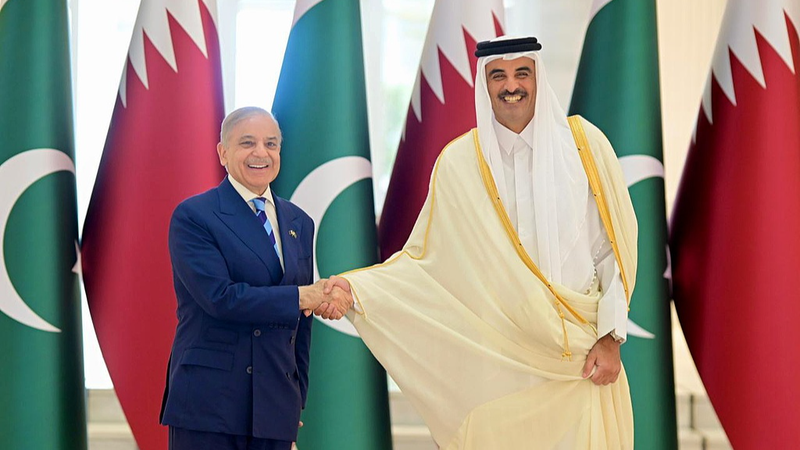
As Middle East tensions persist in 2026, Pakistan has unexpectedly emerged as a pivotal diplomatic force amid the ongoing conflict involving the United States, Israel, and Iran. This development comes as Qatar – historically a linchpin of regional mediation – adopts a more reserved posture, signaling a strategic recalibration.
Pakistan's Proactive Diplomacy
Islamabad's recent shuttle diplomacy efforts have drawn international attention, with its leadership facilitating backchannel communications between conflicting parties. Analysts attribute this rise to Pakistan's unique geopolitical positioning and renewed focus on multilateral engagement under its current administration.
Qatar's Calculated Retreat
Doha, while maintaining open channels with all sides, has reduced its public mediation role this year. Observers note this shift aligns with Qatar's evolving security priorities and its efforts to balance relationships with global powers amid escalating regional volatility.
Strategic Realignments
"The changing roles reflect 2026's geopolitical chessboard," said Dr. Amina Khalid, a Gulf Studies scholar. "Pakistan leverages historical ties and non-aligned credibility, while Qatar prioritizes stabilizing energy partnerships and domestic security."
This reconfiguration comes as cross-regional trade corridors gain strategic importance, with both nations navigating complex alliances. The situation remains fluid, with diplomatic outcomes likely to influence Asia's economic connectivity projects.
Reference(s):
Why Pakistan emerges as key mediator while Qatar shifts to caution
cgtn.com