A New Milestone in Strategic Partnership
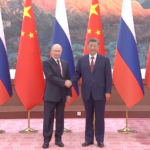
In a significant move towards enhancing bilateral stability and growth, Russian President Vladimir Putin recently concluded a two-day state visit to the Chinese mainland at the invitation of President Xi Jinping. The visit culminated in the signing of a joint statement focused on enhancing comprehensive strategic coordination, deepening good-neighborliness, and fostering friendly cooperation, underscoring the resilience of China-Russia relations within a rapidly shifting international environment.
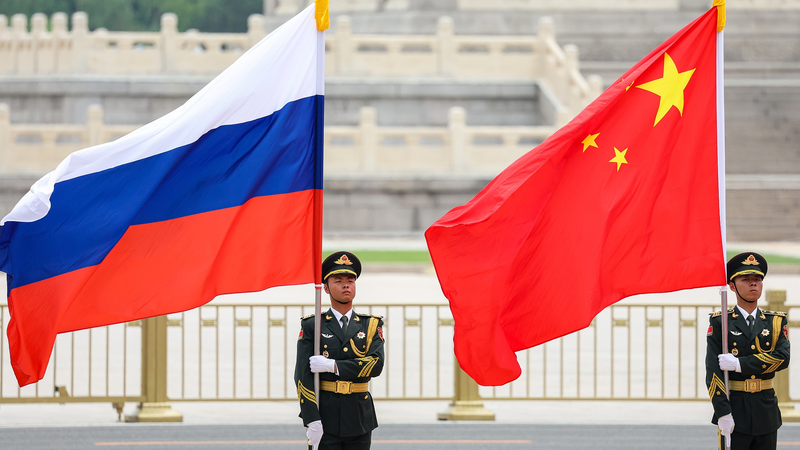
The timing of the visit is particularly symbolic, coinciding with the 30th anniversary of the China-Russia strategic partnership and the 25th anniversary of the Treaty of Good-Neighborliness and Friendly Cooperation. Rather than mere ceremonial diplomacy, the engagement reaffirmed a shared determination to provide greater stability to a world currently marked by uncertainty and transformation.
Broad-Based Strategic Mobilization
The scale of the Russian delegation signaled the high priority Moscow places on its relationship with Beijing. President Putin was accompanied by five deputy prime ministers, eight cabinet ministers, and senior executives from Russia's leading industrial, aerospace, and energy enterprises. This broad representation across multiple sectors illustrated a strong political will to expand practical collaboration.
During the high-level talks in Beijing, the two heads of state oversaw the signing of nearly 40 cooperation documents. These agreements span critical areas including energy, nuclear cooperation, transportation, finance, the digital economy, and agricultural development, reflecting a deep level of strategic communication and trust.
Principles of Cooperation and Stability
A cornerstone of the visit was the agreement to extend the Treaty of Good-Neighborliness and Friendly Cooperation. For 25 years, this treaty has served as the legal foundation for long-term friendship, rooted in principles of mutual respect, non-interference, and peaceful coexistence.
Notably, the relationship continues to be guided by the principle of "non-alliance, non-confrontation and not targeting any third party." Unlike traditional geopolitical blocs, the ties between the two nations are built on sovereign equality and shared development interests. President Putin emphasized that the friendship pursues peace and common prosperity without targeting other nations, maintaining an independent and stable character.
Economic Resilience and Future Growth
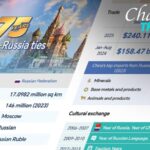
Economic ties remain a powerful engine for the relationship. Despite global economic headwinds, bilateral trade showed remarkable resilience, reaching a volume of $240 billion in 2025. Both nations have also seen local-currency settlements reach historic highs, with a current focus on optimizing trade structures and increasing high-value-added products.
Looking forward, China and Russia are accelerating cooperation in cutting-edge sectors, including artificial intelligence, green development, the digital economy, aerospace, and Arctic shipping routes. These initiatives are designed to cultivate new growth drivers and strengthen economic resilience against global volatility.
Strengthening People-to-People Ties
Beyond politics and economics, the human dimension of the relationship is expanding. The launch of the China-Russia Education Year has provided fresh momentum for youth and cultural exchanges. Coupled with the implementation of mutual visa-free arrangements, tourism and social interactions are growing rapidly, fostering a deeper mutual understanding between the two peoples.
Reference(s):
cgtn.com