Diplomatic Progress and Digital Threats in the Middle East
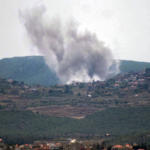
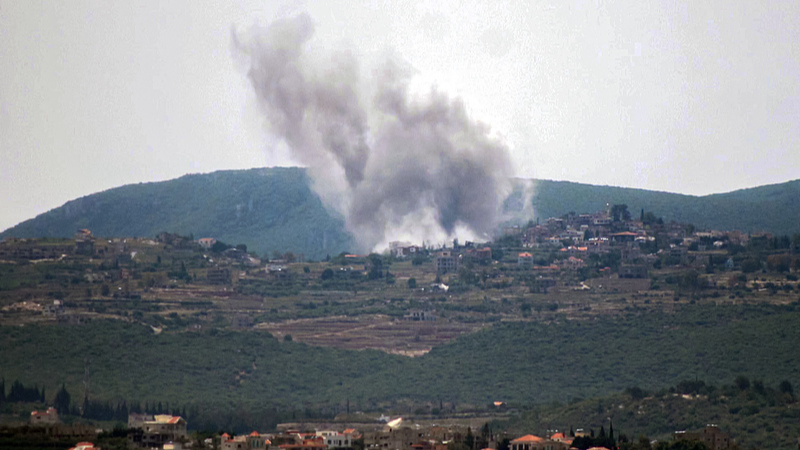
In a significant step toward regional stability, Israel and Lebanon have reached an agreement to extend their current ceasefire by an additional 45 days. This decision follows two days of intensive, Washington-facilitated talks that concluded this past Friday, marking some of the highest-level contact between the two nations in decades.
The negotiations have evolved to include a broader array of participants, incorporating both security and military officials to ensure the durability of the truce. According to US State Department spokesperson Tommy Pigott, the diplomatic effort will continue with a new security track scheduled to begin at the Pentagon on May 29. Furthermore, the State Department is set to convene both parties again from June 2 to 3 for critical political negotiations.
While diplomatic channels open between Israel and Lebanon, new tensions are emerging regarding the digital infrastructure of the region. Reports indicate that Iran is seeking to gain strategic leverage over the Strait of Hormuz, one of the world's most vital waterways for global digital and financial traffic linking Asia, Europe, and the Persian Gulf.
Tehran is reportedly considering a plan to charge major technology companies for the use of submarine internet cables that pass through these waters. State-linked Iranian media have already issued warnings, suggesting that cable traffic could face disruptions if firms refuse to comply with these demands. This move highlights the intersection of geopolitical rivalry and the vulnerability of the global digital economy.
Reference(s):
cgtn.com