In a significant update on regional security, US Secretary of State Marco Rubio announced on Tuesday that the US military campaign against Iran has come to an end. The operation, which was launched jointly with Israel on February 28, marks a volatile chapter in the ongoing tensions between the two nations.
Speaking during a White House news briefing, Secretary Rubio clarified that while the active campaign has concluded, the United States remains vigilant. He emphasized that the US will not permit Iran to normalize its control over the Strait of Hormuz, a critical global energy waterway. This statement comes just one day after reports of an exchange of fire between the two sides in the strait, highlighting the fragile nature of the current ceasefire.
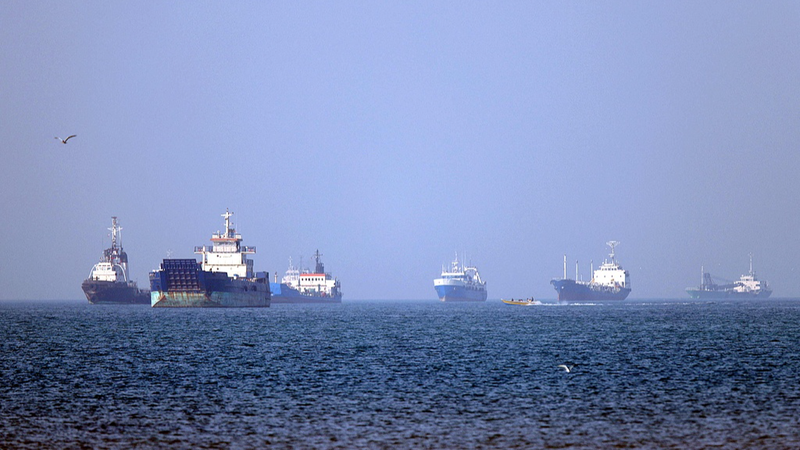
The Strait of Hormuz remains a focal point for global markets and energy security, as a significant portion of the world's oil passes through this narrow passage. Any instability in the region directly impacts global oil prices and shipping logistics, making the situation a primary concern for business professionals and international investors.
Adding to the complexity of the standoff, Iran's state media reported on Tuesday that Tehran has implemented a new system to regulate vessel traffic within the Strait. This move is seen as an attempt to assert maritime authority amid an ongoing US blockade and persistent threats of further military action.
As the international community watches closely, the transition from active military campaign to a diplomatic and strategic standoff leaves the region in a state of high alert. For global readers and policymakers, the coming weeks will be crucial in determining whether this cessation of hostilities will lead to a sustainable de-escalation or further maritime confrontations.
Reference(s):
Live: Rubio says US military campaign against Iran is 'over'
cgtn.com