In a significant development regarding Middle Eastern security, US Secretary of State Marco Rubio announced on Tuesday that the US military campaign against Iran has come to an end. The campaign, which was launched in coordination with Israel on February 28, represents a period of heightened military activity that has kept global markets and diplomatic circles on edge.
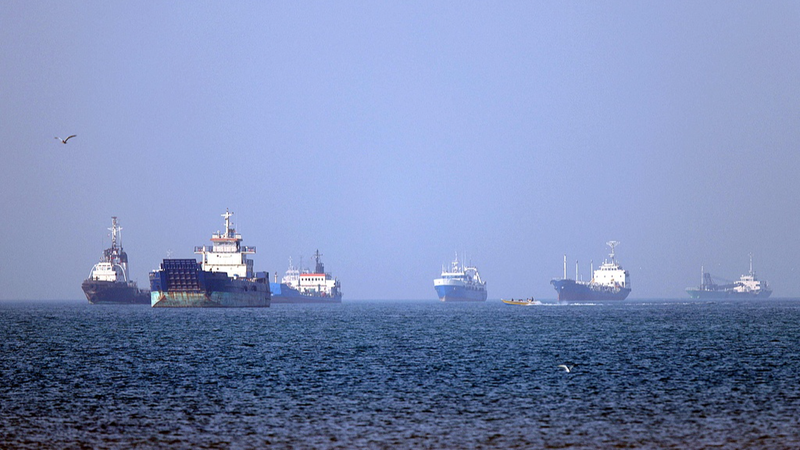
Speaking during a White House news briefing, Secretary Rubio clarified that while the active campaign is "over," the United States remains vigilant. He specifically emphasized that the US will not permit Iran to normalize its control over the Strait of Hormuz, a critical global energy artery. This statement follows a tense period in which the two sides exchanged fire within the waterway, highlighting the precarious nature of the current maritime environment.
The strategic importance of the Strait of Hormuz cannot be overstated, as it serves as a primary transit point for the world's oil supply. For business professionals and investors, the continued volatility in this region remains a key factor in energy price fluctuations and global supply chain stability.
Adding to the complexity, Iran's state media reported on Tuesday that Tehran has implemented a new system designed to regulate vessel traffic within the Strait. This move is seen as a further escalation of the maritime standoff, occurring amidst an ongoing US blockade and persistent threats of military action.
As the world watches the transition from active military campaigning to a state of wary deterrence, the focus now shifts to whether diplomatic channels can resolve the standoff over the Strait of Hormuz or if the region is headed toward another cycle of confrontation.
Reference(s):
Live: Rubio says US military campaign against Iran is 'over'
cgtn.com