As diplomatic efforts remain deadlocked, tensions between the United States and Iran continue to simmer, with Washington considering military strikes and Tehran threatening a forceful response to an ongoing blockade. The situation underscores the fragile security landscape in the Middle East, with direct implications for global energy markets and Asian economies.
President Donald Trump has reiterated that restrictions on Iran's oil exports and shipping will remain in place until a comprehensive nuclear deal is reached. This stance has kept diplomacy at a standstill, raising fears of escalation.
Iran, for its part, has issued stern warnings. A senior security source indicated that any move could involve "practical and unprecedented" measures, though specifics were not disclosed. The rhetoric signals Tehran's readiness to counter what it views as economic warfare.
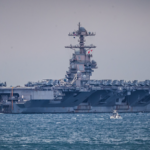
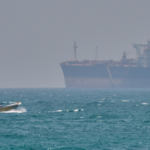
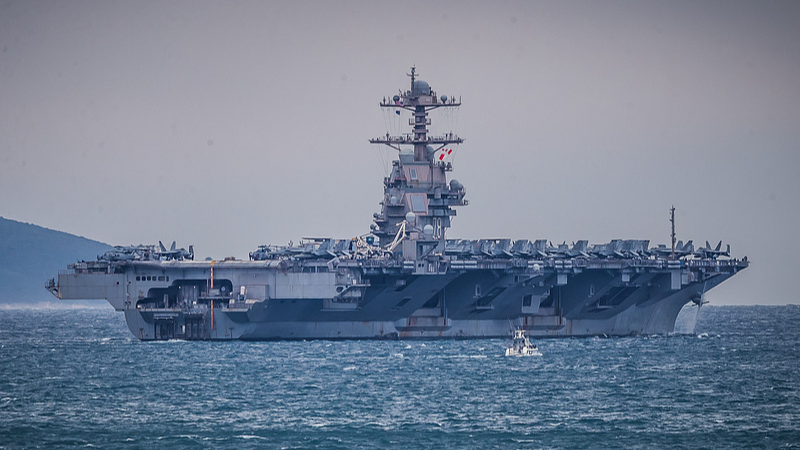
Amid these tensions, the USS Gerald R. Ford aircraft carrier is preparing to conclude a record-breaking deployment and return home. Its departure marks a potential shift in US naval presence in the region, even as security concerns around the strategic Strait of Hormuz—a vital conduit for oil shipments to Asia—remain high.
For Asian nations reliant on Middle Eastern oil, the ongoing blockade and threat of conflict pose significant risks to energy security and economic stability. Business professionals and investors are closely monitoring the situation, as any disruption could spike oil prices and affect supply chains.
The stalemate highlights the complex interplay of nuclear diplomacy, regional security, and global economics. As both sides hold their ground, the world watches for signs of de-escalation or further confrontation.
Reference(s):
Live: US weighs strikes as Iran warns of response to ongoing blockade
cgtn.com