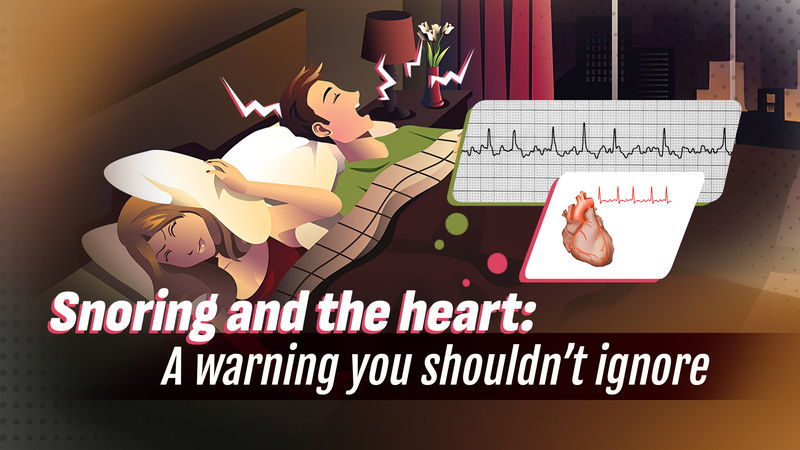
For many, snoring is dismissed as a harmless nighttime habit—a minor inconvenience for sleepers and a source of frustration for their partners. However, emerging scientific evidence suggests that this common occurrence may be far more than a simple annoyance. In many cases, habitual snoring could be a critical indicator of an increased risk for cardiovascular disease.
As sleep disorders are increasingly recognized as a growing global health concern in 2026, medical experts are urging the public to shift their perception of snoring. Rather than viewing it as a quirk of sleep, it is becoming clear that the sounds we make at night can be early warning signs of underlying health issues.
The primary link lies in the connection between habitual snoring and obstructive sleep apnea. This condition occurs when the airway becomes blocked during sleep, leading to repeated drops in blood oxygen levels and fragmented sleep patterns. Over time, these physiological stresses can put a significant strain on the heart, contributing to long-term cardiovascular complications.
By understanding this link, individuals can identify risks earlier. Recognizing the signs of obstructive sleep apnea and seeking professional medical guidance can be the difference between a manageable condition and a serious heart-related event. Experts emphasize that proactive screening and treatment not only improve sleep quality but are essential steps in safeguarding overall heart health.
Reference(s):
Snoring isn't just noise – it could be your heart trying to warn you
cgtn.com