The State Council has officially unveiled a comprehensive strategic roadmap to accelerate agricultural and rural modernization under the 15th Five-Year Plan (2026-2030). This ambitious plan is designed to catalyze Chinese modernization by integrating advanced technology with sustainable rural development over the next five years.
Strengthening Food Security and Quality
At the heart of the initiative are two binding targets to be achieved by 2030. The Chinese mainland aims to increase its comprehensive grain production capacity to approximately 725 million tonnes, ensuring a stable and secure food supply. In tandem with quantity, the plan prioritizes safety, mandating that the overall pass rate for routine agricultural product quality and safety inspections reach no less than 98% by the end of the period.
A Tech-Driven Agricultural Revolution
Building on the successes of recent years—including 2025 grain production reaching about 714.9 million tonnes—the government is placing a heavy emphasis on scientific and technological progress. The plan sets an anticipatory target to raise the contribution rate of sci-tech progress to 67% by 2030.
To achieve this, the state will focus on developing "new quality productive forces" in agriculture. This includes the widespread adoption of AI, the development of intelligent design breeding, and the expansion of pioneering industries such as new-energy agricultural machinery and the low-altitude agricultural economy. Furthermore, the plan highlights agricultural bio-manufacturing and the development of new foods as key growth areas for the coming years.
Sustainable and Harmonious Rural Growth
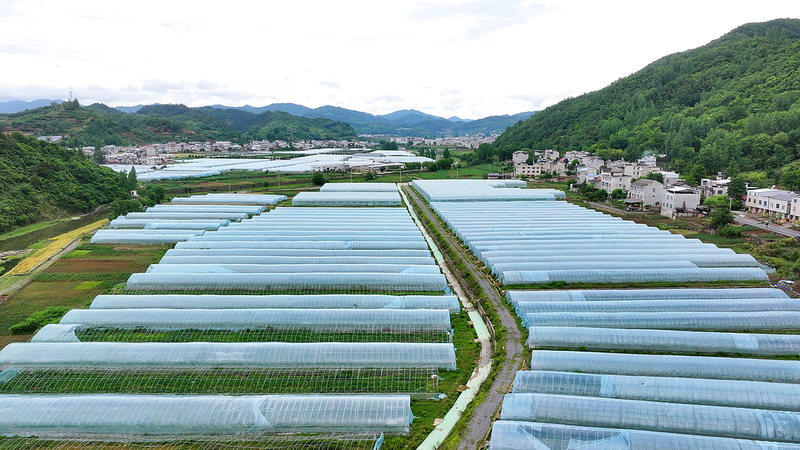
Beyond productivity, the 15th Five-Year Plan envisions the creation of a beautiful and harmonious countryside. The strategy calls for breakthroughs in urban-rural integrated development and a comprehensive green transition. Key focus areas include improving rural sewage treatment, promoting green production methods, and upgrading cold-chain logistics for food storage and preservation.
A central goal remains the improvement of farmers' incomes at a relatively fast pace, ensuring that the benefits of modernization are shared broadly across rural communities. By upgrading infrastructure and public services, the plan seeks to make rural areas vibrant and attractive places to live and work.
Through these combined efforts, the Chinese mainland is positioning its agricultural sector not just as a foundation for food security, but as a modern, high-efficiency industry capable of meeting evolving nutritional demands while leading in global agri-tech innovation.
Reference(s):
China issues 5-year plan for agricultural, rural modernization
cgtn.com