South Africa is currently at a pivotal crossroads as it grapples with the integration of artificial intelligence (AI) into its workforce. In a nation already contending with some of the highest unemployment rates globally, the rise of automation has sparked a critical debate: will AI exacerbate the job crisis or provide the catalyst for economic renewal?
For many, the concern is immediate. Experts warn that automation could displace a significant number of entry-level and low-skilled positions, potentially widening the gap for young job seekers entering an already competitive market. However, a different narrative is emerging among those who view AI as a tool for empowerment rather than replacement.
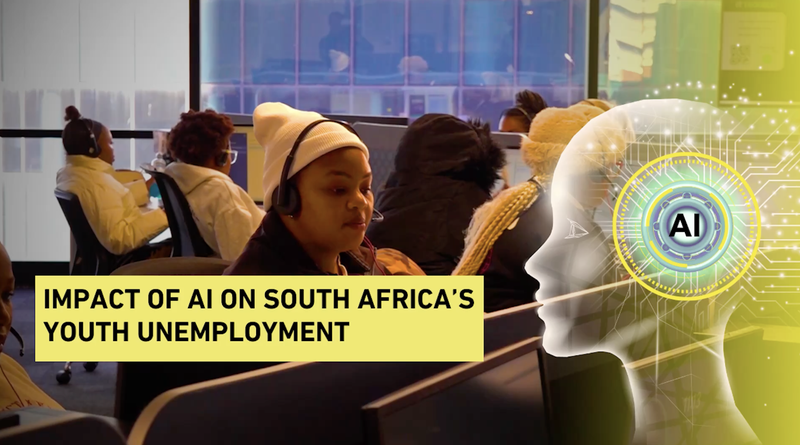
Supporters of the technology argue that AI can open entirely new career pathways and democratize access to economic opportunities. A prime example of this transition is seen at the Harambee Youth Employment Accelerator. Here, workers are proactively adapting by acquiring digital skills and transitioning into emerging roles. The organization reports that AI tools have not only boosted efficiency but have also created specialized positions, such as chatbot and prompt engineering specialists.
Advocates emphasize that if AI is made widely accessible, it could broaden access to training and essential services for youth, potentially narrowing long-standing economic inequalities. The goal is to transform the technology into a bridge to employment rather than a barrier.
Despite the potential, analysts caution that the transition will not happen automatically. The challenge lies in systemic readiness. To ensure AI supports inclusion and job creation, there must be a concerted effort from governments, businesses, and educational institutions. Priority must be placed on heavy investment in digital literacy, targeted training programs, and the implementation of balanced regulations.
Ultimately, the impact of AI on South Africa's youth will depend on the agility of its institutional response. By bridging the skills gap today, the country can ensure that the digital revolution serves as a driver for inclusive growth and sustainable employment for the next generation.
Reference(s):
cgtn.com