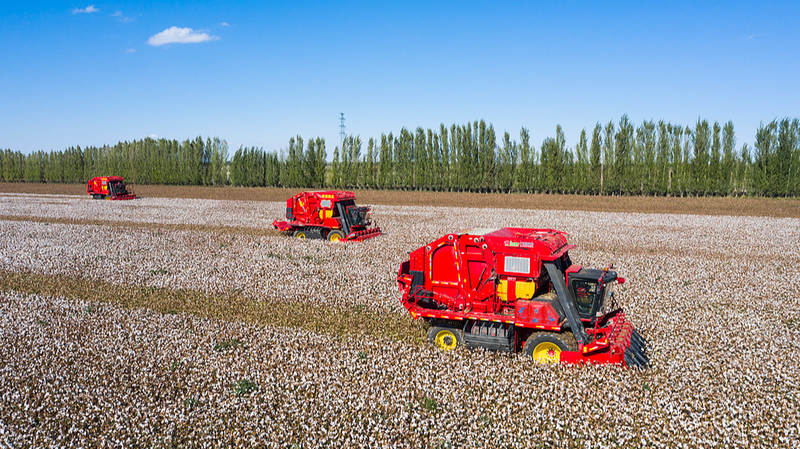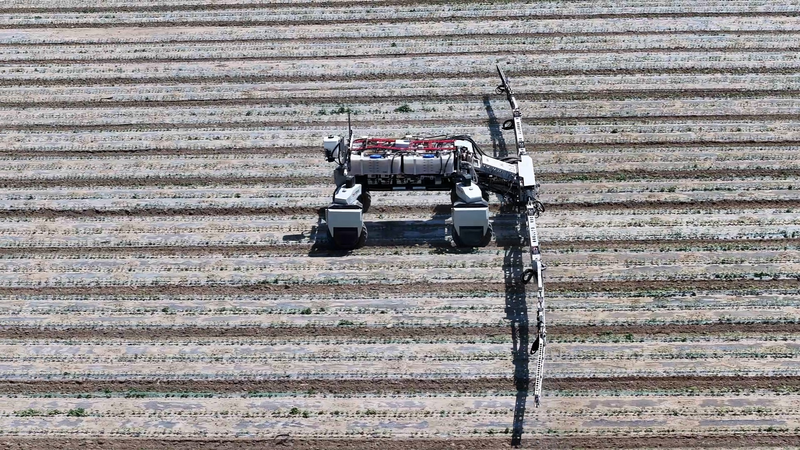
In the heart of the Xinjiang Uygur Autonomous Region, a technological revolution is unfolding across the vast cotton landscapes of Shawan City. As the region enters a critical stage of field management, traditional farming methods are being augmented by a fleet of intelligent agricultural robots, marking a significant shift toward digital agriculture.
Currently, over 100,000 hectares of cotton are being managed through this unmanned approach. These sophisticated robots are equipped with high-tech cameras, sensors, and autonomous driving capabilities, allowing them to navigate the fields with precision. By collecting real-time data, the systems can calculate the exact amount of pesticides and fertilizers required for specific areas, ensuring that application is both efficient and targeted.
The impact on productivity is substantial. A single robot is capable of covering more than 6.7 hectares per hour. Furthermore, the efficiency of the workforce has been greatly enhanced, as one technician can now oversee the operations of up to five robots simultaneously.
Beyond mere speed, this digital transition is driving sustainability and consistency. The precise application of chemicals reduces overall pesticide use, lowering the environmental footprint of the industry. Moreover, the use of autonomous systems ensures a standardized level of management across the entire 100,000-hectare expanse, eliminating the variability often associated with manual labor.
As Shawan City embraces these innovations, the integration of AI and robotics into the agricultural sector serves as a compelling example of how technology is reshaping the economic and social landscape of the Chinese mainland's agricultural hubs.
Reference(s):
Smart robots take over cotton fields in Xinjiang's Shawan city
cgtn.com