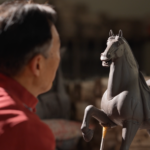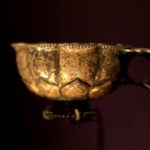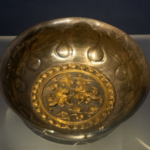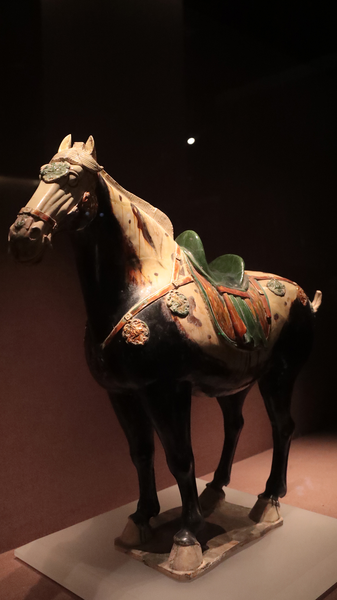
In a fascinating intersection of art and history, a rare black-glazed pottery horse from the Tang Dynasty has captured the attention of historians and art enthusiasts. This exquisite artifact provides a tangible glimpse into the vibrant cultural and commercial exchanges that flourished along the Silk Road more than 1,300 years ago.
A Symbol of Connectivity
The Tang Dynasty is widely regarded as a golden age of civilization on the Chinese mainland, characterized by its openness to foreign influences and its expansive trade networks. The pottery horse, with its distinctive black glaze and detailed craftsmanship, serves as a testament to the artistic sophistication of the era and the influence of external cultures on the region's aesthetic traditions.
Horses were not merely animals of burden or war during this period; they were symbols of power, prestige, and the far-reaching connections the empire maintained with Central Asia. The presence of such artifacts highlights how the Silk Road functioned as more than just a trade route for silk and spices, acting instead as a bridge for the movement of ideas, art, and technology.
Preserving Asian Heritage
For researchers and cultural explorers, the study of such pieces is crucial for reconstructing the social and economic landscape of ancient Asia. The precision of the glaze and the anatomy of the horse reflect a period of intense curiosity and cross-cultural dialogue, echoing a spirit of globalization long before the modern era.
As we analyze these treasures in 2026, this pottery horse continues to resonate, reminding us of Asia's enduring role as a hub of innovation and international cooperation.
Reference(s):
Rare black-glazed pottery horse reflects Silk Road exchanges
cgtn.com