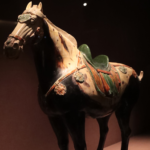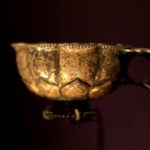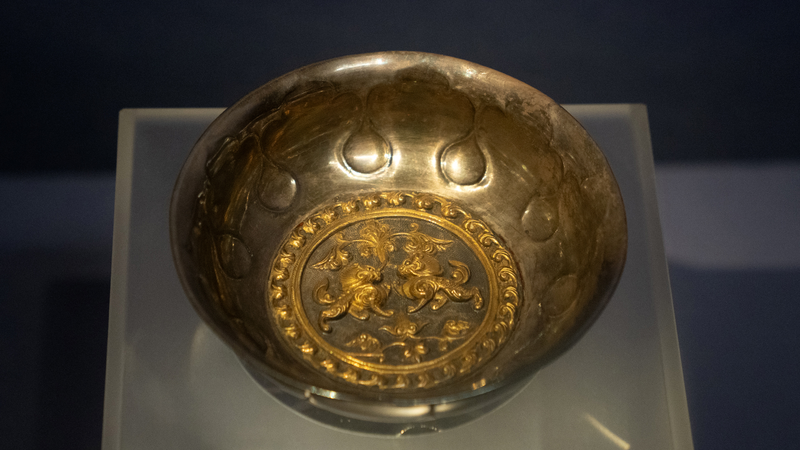
The discovery of an exquisitely set banquet table, laden with intricately carved gold and silver vessels, offers a vivid portal into the opulent world of Tang Dynasty aristocracy. These objects, beloved in their daily lives, were more than mere symbols of wealth; they were testaments to an era of unprecedented global connection.
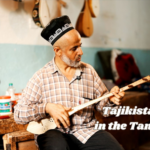
Throughout the Tang Dynasty (618-907 AD), merchants traversing the Silk Road acted as conduits for exotic treasures and masterful craftsmanship, pouring into the Central Plains from Persia, Central Asia, and beyond. The Tang court and elite, with a characteristically broad and embracing spirit, did not simply acquire these foreign wonders. They absorbed, adapted, and fused Eastern and Western aesthetics and techniques into a vibrant, living crucible of culture.
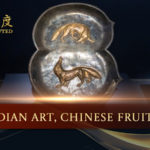
This process of cultural synthesis is perfectly encapsulated in the artifacts of the feast. The designs on a silver bowl might blend Hellenistic motifs with traditional Chinese symbolism, while the metallurgy techniques could trace their origins to Sogdian craftsmen. Every piece tells a story of movement, exchange, and innovation.
The grand feasts of the Tang were, therefore, not just social gatherings but performative stages for this cosmopolitan identity. As wine flowed from Persian-inspired pitchers into Central Asian-style cups, the banquet itself became a celebration of the interconnected world the Silk Road had built. The radiance of these gold and silver treasures, preserved for over a millennium, continues to illuminate the profound and enduring legacy of that ancient network of exchange—a legacy of openness, adaptation, and shared human creativity that continues to resonate in Asia's cultural landscape today.
Reference(s):
cgtn.com