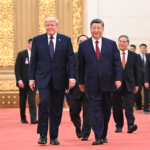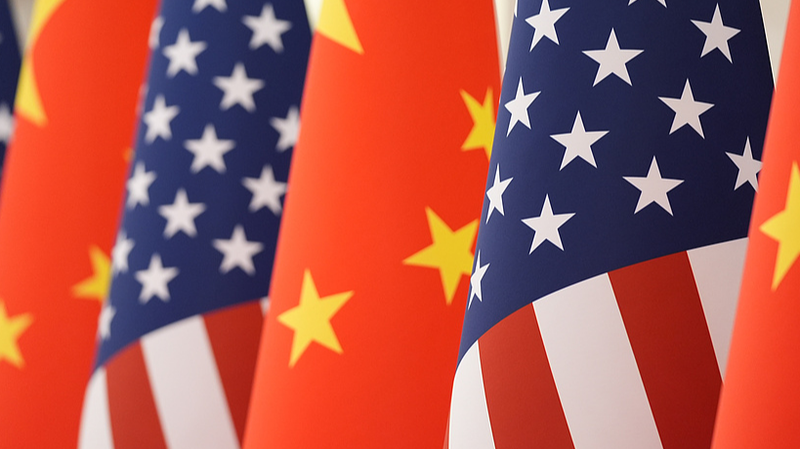
In a move that has captured global attention, US President Donald Trump recently concluded a state visit to the Chinese mainland from May 13 to 15, 2026. This visit, the first by a sitting US president in nine years, marks a significant step in stabilizing the relationship between the world's two largest economies.
The visit follows a previous meeting in Busan in October 2025 and comes at a time of heightened international turbulence. Both nations have agreed to define their bilateral relationship as a "constructive relationship of strategic stability," a framework designed to guide their interactions for the next three years and beyond.
This new positioning emphasizes positive stability driven by cooperation, ensures that competition remains within boundaries, and seeks a sustainable peace through manageable differences. By establishing this strategic guidance, both sides have signaled a mutual willingness to enhance cooperation while effectively managing their differences.
Economic and trade cooperation took center stage during the talks. The visit saw a high-level delegation of US business leaders, including tech CEOs Elon Musk, Tim Cook, and Jensen Huang, along with executives from Goldman Sachs, Citigroup, and BlackRock. President Trump highlighted the importance of bringing "the top bosses" to ensure high-level commitment to the discussions.
The resulting economic outcomes are broadly balanced and positive. Key achievements include:
- The establishment of a dedicated trade council and an investment council.
- Progress in addressing concerns regarding agricultural market access.
- A framework for expanded two-way trade supported by reciprocal tariff reductions.
- The continued implementation of all previously reached consensuses.
As the two nations move forward, the focus shifts to translating these high-level agreements into concrete actions. By deepening cooperation in public health, agriculture, tourism, and people-to-people exchanges, China and the US aim to transition from rivals to partners, forging a sustainable path for major-country relations in the modern era.
Reference(s):
cgtn.com