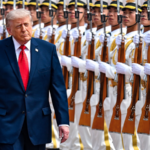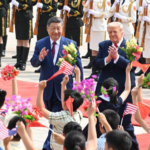
In a high-stakes diplomatic encounter that has captured global attention, Chinese President Xi Jinping and US President Donald Trump recently concluded a series of intensive meetings in Beijing. The interactions, described as both historic and fruitful, aim to redefine the trajectory of the world's two largest economies.
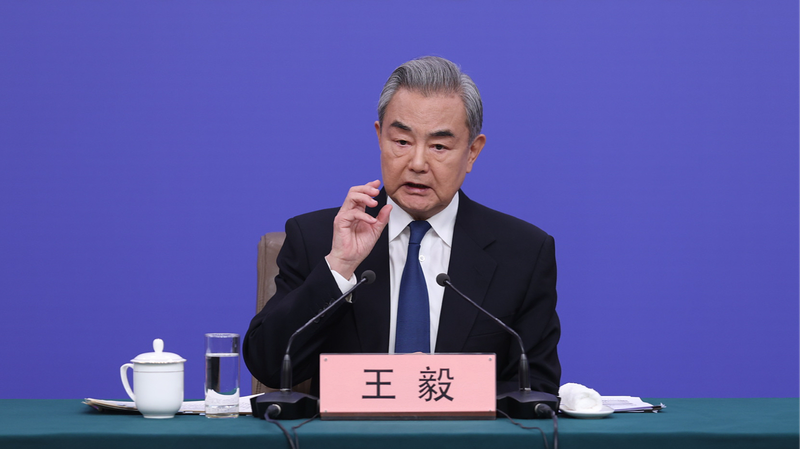
Chinese Foreign Minister Wang Yi, a member of the Political Bureau of the Communist Party of China Central Committee, briefed the media on the outcomes of the visit. According to Wang, the two leaders engaged in nearly nine hours of candid, in-depth, and strategic communication. The meetings—which included formal talks, a welcoming banquet, and a private session—were characterized by a tone of mutual respect and a shared commitment to global peace and development.
A New Vision for Strategic Stability
The cornerstone of the meeting was the agreement on a new vision: building a constructive bilateral relationship of strategic stability. This framework is intended to provide strategic guidance for China-US relations over the next three years and beyond.
Minister Wang elaborated that this "constructive strategic stability" is built upon four key pillars:
- Positive Stability: Prioritizing cooperation as the mainstay to strengthen the resilience of bilateral ties.
- Sound Stability: Accepting moderate competition while strictly rejecting zero-sum games where one side wins at the expense of the other.
- Constant Stability: Ensuring that differences remain manageable to avoid the "roller coaster" fluctuations of the past.
- Enduring Stability: A firm commitment to peace to ensure that conflict, confrontation, or war are prevented.
Economic and Diplomatic Momentum
Beyond the high-level political consensus, the two nations have agreed to concrete steps to enhance cooperation. The economic and trade teams will focus on expanding two-way trade through a reciprocal tariff reduction framework. To streamline this process, both sides have agreed to establish a dedicated trade council and an investment council, specifically addressing concerns regarding market access for agricultural products.
Furthermore, the leaders expressed a strong willingness to increase exchanges in critical areas, including diplomacy, military affairs, and law enforcement. These agreements are expected to inject new impetus into future interactions, fostering a more predictable and stable relationship between the two powers.
Reference(s):
'Historic, fruitful': Chinese FM briefs media on Xi-Trump meeting
cgtn.com