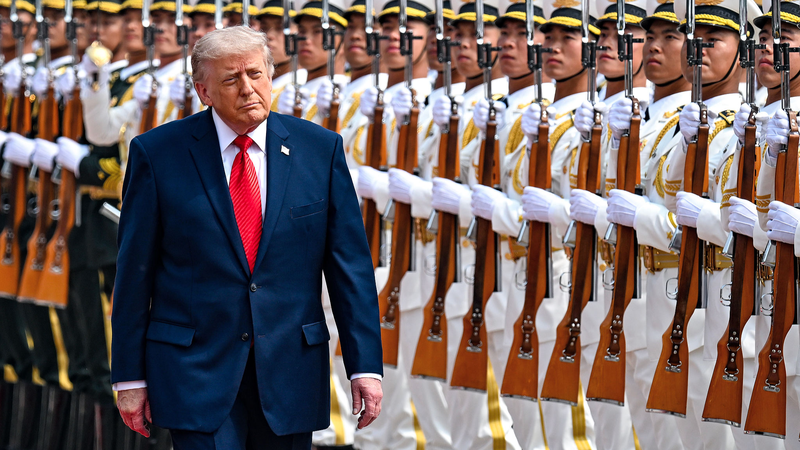
In a significant development for global diplomacy, China and the United States have reached a pivotal consensus aimed at forging a constructive relationship rooted in strategic stability. This agreement arrives at a critical juncture in 2026, steering the bilateral relationship toward a more predictable course and providing a necessary anchor of certainty for a world currently undergoing profound transformation.
A New Vision for Global Balance
The pursuit of strategic stability is viewed as more than just a bilateral goal; it is a global necessity. By aligning their approaches, the two nations aim to inject much-needed stability into an international landscape often fraught with turbulence. This new vision is designed to ensure that the interactions between these two global powers contribute to overall peace and sustainable development.
The Four Dimensions of Stability
The newly defined framework for China-US relations is built upon four critical dimensions of stability, each addressing a different facet of the bilateral dynamic:
- Proactive Stability: This dimension is anchored in active cooperation, seeking common ground to tackle shared challenges.
- Sound Stability: This ensures that while competition exists, it is kept within proper bounds to prevent escalation.
- Steady Stability: This focuses on the effective management of differences, ensuring that disagreements do not derail the broader relationship.
- Enduring Stability: This is underpinned by a commitment to lasting peace, providing a long-term foundation for interaction.
This strategic shift draws on profound experiences and lessons learned from years of bilateral interactions. By upholding the consistent principles of mutual respect, peaceful coexistence, and win-win cooperation, the two nations are laying the groundwork for a more sustainable and sound partnership that resonates far beyond their own borders, offering a blueprint for stability in an era of change.
Reference(s):
cgtn.com